


Introduction
The manner in which individuals manage money has transformed tremendously within the last 10 years. Cash and checks used as traditional ways of payment are slowly being substituted with digital versions. The emergence of cashless payment systems and mobile wallets is one of the largest contributors to this change. Nowadays, people are able to pay with smartphones and smartwatches or any other digital gadget. Mobile wallet apps enable a user to store payment cards and also transfer money and pay goods and services immediately. These online payment options have simplified financial dealings and ensured their faster and secure conduct. Cashless payment and mobile wallets are gaining importance as a component of the international financial system as the financial technology is constantly advancing.
The Best Fintech Trends of 2026 that will define Banking
What Are Mobile Wallets?
A mobile wallet is an online application capable of providing the user the opportunity to store payment data on a mobile device. Users are able to use their smartphones to make transactions instead of using physical cash or cards. The mobile wallets contain multiple financial information, such as debit and credit cards and electronic currencies. Users will be able to use their wallet apps to pay online or at the physical shops. Apple Pay, Google Pay, PayPal, and other local platforms based on digital payments are some of the common mobile wallet applications. These services enable the user to make safe payments with ease. The use of mobile wallets is on the rise as people are finding convenience, speed, and security all in a single digital platform.
The way Mobile Wallet Payments work
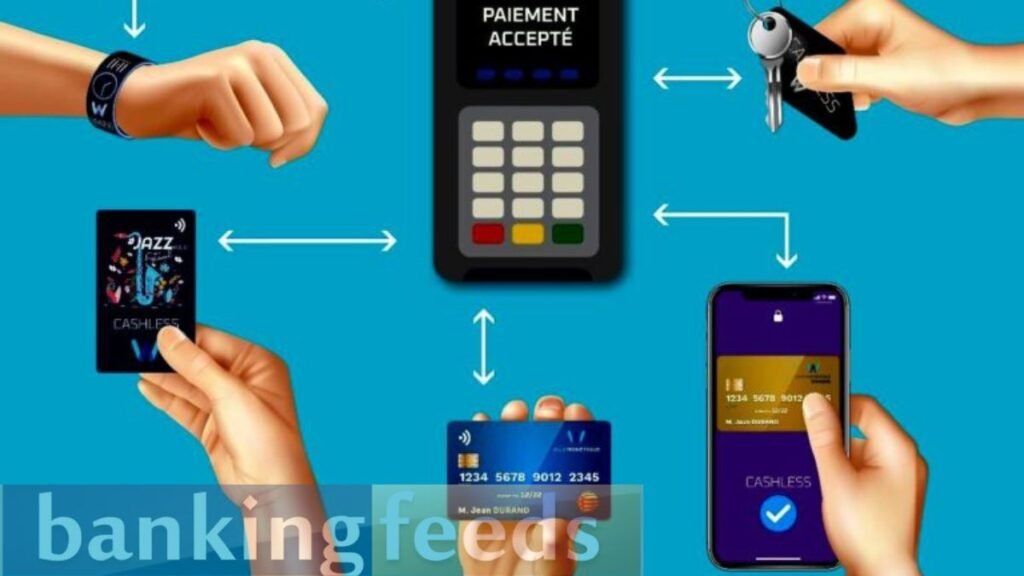
Mobile wallet payments are based on digital technologies which link payment devices to financial institutions. In case a user pays using a mobile wallet, the system electronically completes the transaction. Mobile wallets are also based on Near Field Communication (NFC) technology when the payment is in-store. This enables smart phone to interact with payment terminals upon coming into contact with them. In some instances, QR code payments are used by mobile wallets. A customer reads a QR code shown by a merchant and approves the payment in the mobile wallet application. Having sent the request of payment, the financial institution authorizes the transaction and remits the funds to the account of the merchant. This is normally done in a few seconds.
The Cashless Payments Growth
Cashless payment involves the transactions, which are made without the use of actual money. Consumers no longer pay in cash but rely on electronic payment tools like cards, mobile wallets or online payment. The use of cashless payments has risen by a considerable margin in the previous years. There are a number of reasons behind this trend which have been driven by the rise of smartphone usage, improved internet penetration and financial technology. Cashless payments are also favourable to businesses since they minimize the involvement of the handling of physical money and ease when managing financial records. Numerous states are shifting to a soulless economy in which electronic payments control the day-to-day financial services.
Benefits of Mobile Wallets
Mobile wallets offer many benefits that attract both consumers and businesses.
Convenience
Mobile wallets can enable an individual to pay in a short time without carrying cash or wallets containing many cards. Transaction of payments can be done using a smartphone in seconds.
Faster Transactions
Electronic payments save time in which it takes to execute financial transactions. The customers are able to make immediate payments in stores, restaurants, and web services.
Improved Security
Mobile wallets apply the best security practices or methodologies including encryption, tokenization, and biometric authentication. Facial recognition and fingerprint scanning makes sure that users are not exposed to unauthorized transactions.
Financial Tracking
Mobile wallet applications allow transaction history that assists users to check on their expenditure patterns. This aspect simplifies the process of controlling individual finances.
Impact on Businesses
The emergence of mobile wallets has affected the way business operates in terms of payments. Most companies are currently accepting online payments in order to cater to evolving customer demands. Online payment systems can assist companies to carry out their transactions quicker and minimize errors that come with the handling of cash.Automated transaction records simplify accounting and financial management. Mobile payment systems also help companies expand their customer base. Customers who prefer cashless payments often choose businesses that accept digital payments. In the case of small businesses, mobile payment systems provide inexpensive methods of taking electronic payments without costly payment systems.
The Fintech Role in Mobile Payments
Mobile wallet adoption has increased significantly due to financial technology companies. Fintech companies create digital financial applications, digital wallets and payment platforms that simplify the process of digital payments. These companies focus on creating convenient interfaces and increasing payment speed. Many fintech applications also include services such as peer-to-peer transfers, bill payments, and budgeting tools.. The global expansion of mobile payments still relies on the innovation of fintech.
Difficulties of Cashless Payment System
Even though mobile wallet and cashless payment have numerous advantages, they also come with some challenges. One of the issues is that of cybersecurity. Hackers and fraudsters should not be able to break in the digital payment systems and steal sensitive financial information. The other issue concerns the access of the digital world. Smartphones and good internet access are not available to everybody and this may be an inhibitor towards the use of mobile payment systems. Secondly, there are those individuals who insist on cash transaction because of their privacy or knowledge of the traditional payment methods. To make the financial systems secure and inclusive, financial institutions and technology companies have to surmount these issues.
The Future of Mobile Wallets
The use of mobile wallets will keep increasing as financial technology advances. Digital payment systems can be further enhanced by the emergence of new technologies like artificial intelligence and blockchain.
The AI systems can be used to spot fraudulent transactions faster and offer individual financial advice. The blockchain system has the potential to promote transparency and security of the digital payment networks. These inventions indicate that mobile wallets are going to continue taking centre stage in the worldwide digital economy.
Conclusion
The emergence of mobile wallets and cashless payment is changing how individuals conduct financial transactions. Digital systems of payments are fast, convenient, and secure as opposed to the traditional cash systems. Consumers, on the one hand, receive faster payment and better financial control, and business, on the other hand, can obtain efficiency and easier financial control. With the ever-changing technology, it is possible that mobile wallet will contribute more towards the future of financial services and international trade.