


Introduction
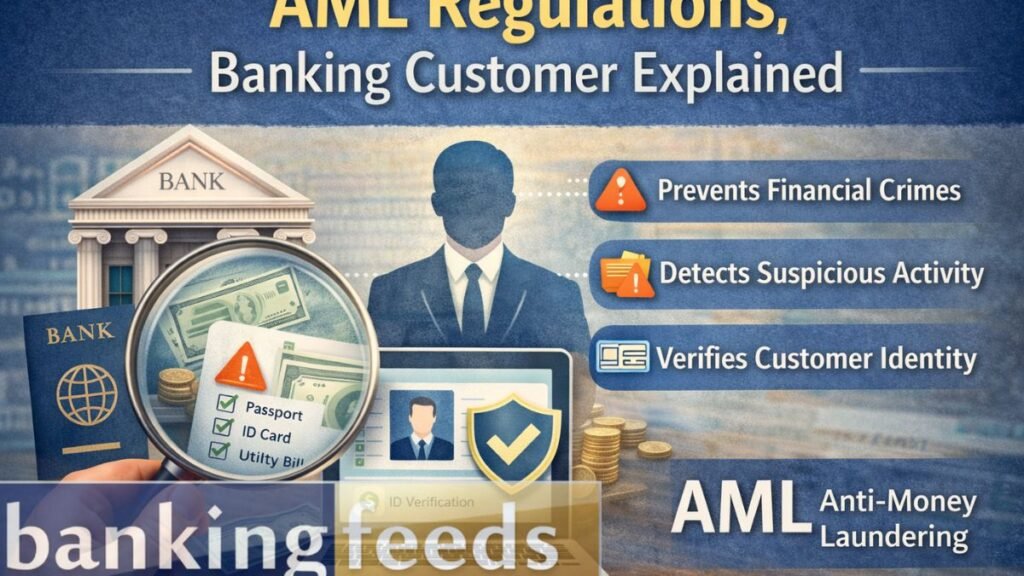
Millions of transactions take place on a daily basis with financial institutions. Strict rules to avoid any illegal financial transactions are imposed by governments and financial regulators. These are the so-called Anti-Money Laundering (AML) regulations. The AML policies prevent the use of banks by criminals to cover up illegal money as legitimate funds.
Banks have to adhere to AML regulations in order to identify suspicious financial transactions and thwart fraud, corruption, and financing of terrorism. These laws are used to ensure confidence in the financial system and guard the customers against financial offences. The knowledge of the AML regulations will allow the banking customers to understand why the banks may sometimes require more details or check transactions.
Introduction to Fintech and the Revolution of the Financial Industry
What Is AML?
The abbreviation is Anti-Money Laundering, or measures and laws that ensure that criminals do not mask illegally received funds as legitimate income.
- Money laundering typically comes in three phases:
Placement
During this phase, criminals inject criminal money in the financial system. They can place money in bank accounts or change the money into financial assets.
Layering
In the course of layering, criminals transfer money via a series of transactions in order to conceal its source. They can move cash between various accounts, countries, or banks.
Integration
At the last phase, the money comes back into the economy in a legitimate state. Criminals may use the money to buy property, businesses, or other assets. AML regulations aim to identify and prevent these activities before illegal money enters the financial system.
The reasons why Banks should comply with AML regulations
Banks are very important in the surveillance of the financial transactions. Financial institutions are compelled by governments to abide by AML regulations to avert financial frauds.
Prevent Financial Crime
AML systems assist the banks to identify suspicious activities that could be a result of money laundering or frauds. Tracking the financial operations ensures that the banking system is not abused by criminals.
Hold Financial Stability
Financial institutions could be harmed and instability instilled in the economy by illegal financial activities. The AML regulations are useful to ensure trust and transparency in the financial system.
Protect Customers
AML regulations ensure that customers do not lose money and become victims of identity theft by detecting suspicious transactions and blocking fraud.
Bank Surveillance of Suspicious Banks
Modern monitoring systems are employed by banks to detect suspicious financial transactions. Such systems examine patterns of transactions and identify behaviour that could be a sign of illegal activity.
- Some of the suspicious transactions are:
- Massive deposits of cash that are not in proportion with the income of the customer.
- This is due to excessive international movements without any clear business cause.
- Numerous transactions that are designed to circumvent reporting constraints.
Whenever the banks sense any suspicious activity, they can enquire more and report suspicious transactions to the financial authorities.
Customer Due Diligence (CDD)
Customer Due Diligence represents one of the significant components of AML regulations. Banks have to confirm the identity of the customers and the type of financial transactions they have. Banks require information during the process of opening an account, including the identification documents, the address, and the past financial history. This data assists the banks to estimate the intensity of the risks and also identify some kind of financial activity that is out of the ordinary in future.
Customer Due Diligence usually collaborates with KYC (Know Your Customer) to enhance financial security.
SAR will act as a reporting system that tracks suspicious activity detected and reported by individuals within the community. <|human|>The Suspicious Activity Reporting (SAR) is a tool that enables institutions and the community to report suspicious activities. When banks identify transactions that they consider suspicious they will have to disclose them to financial regulators or the government. These records are known as Suspicious Activity Reports (SARs) by banks. They submit such reports to the transactions with suspicious indicators of a possible money laundering or fraud. Financial authorities examine such reports and might go further in case of need. Such a reporting system assists the governments in tracking the illicit financial transactions and deterring financial offenses.
Technology in AML Compliance
Modern technology is utilized by banks in order to comply with the Anti-Money Laundering (AML) demands. The complex software systems track the transactions records and identify suspicious activities.. The technologies of artificial intelligence and machine learning can identify suspicious financial activity in a short amount of time. These systems assist the banks to track high volumes of transactions easily. The automation also means that the possibility of human error is minimized and the detection of financial crimes will be more accurate. The technology is still reinforcing the AML compliance in the banking industry.
Difficulties of AML Compliance
Despite the fact that the AML regulations are necessary to secure the financial situation, they cause some difficulties to banks and customers.
Complex Regulation
The AML regulation is different in various countries. International banks are forced to comply with several regulatory frameworks.
Operational Costs
The compliance systems, staff training, and monitoring technology require a great amount of money on the part of financial institutions.
Customer Experience
In case of some suspicious activity, the banks can freeze the accounts temporarily or may demand some extra verification. Although it could be an inconvenience to the customers, these measures contribute to sustaining financial security.
Future of AML Regulations
With the development of financial technology, AML regulations develop accordingly. Financial monitoring systems are able to be enhanced with the help of new technologies such as artificial intelligence and blockchain.. The blockchain technology can bring more transparency to the financial transactions, and it will be easier to track the funds. Artificial intelligence can also assist in analysing transaction information more effectively and identify multidimensional money laundering.. Financial institutions are collaborating with regulators to enhance AML frameworks and enhance financial security in the global arena.
Conclusion
The AML laws secure the worldwide financial system against illegal endeavors. Banks prevent money laundering and financial crime by tracking transactions, checking on the identity of customers, and reporting suspicious transactions. In spite of the fact that AML compliance can involve more verification procedures, these rules can secure customers and financial institutions. With the further digitalization of the financial system, new technologies will proceed to enhance AML control and enhance the security of international banking services.