


Introduction
The international business and trade in the world are expanding at a high rate. With the interaction of companies and individuals of various nationalities on the cross-border, the necessity of quick and trustworthy cross-border payments has never been as significant as it is now. The conventional international payment systems are very expensive and time-consuming in that they may take days to complete transactions. This is being transformed by financial technology, also referred to as fintech. The fintech firms are rolling out new digital technologies that enable the faster, cheaper, and efficient international money transfer. Fintech platforms are changing the operation of cross-border payment by means of modern technologies namely blockchain, digital wallets, and advanced payment networks. The knowledge of how fintech is enhancing the cross-border payments assists enterprises and consumers to exploit the use of modern financial services.
Introduction to Fintech and the Revolution of the Financial Industry
What Do you mean by Cross-border Payments?
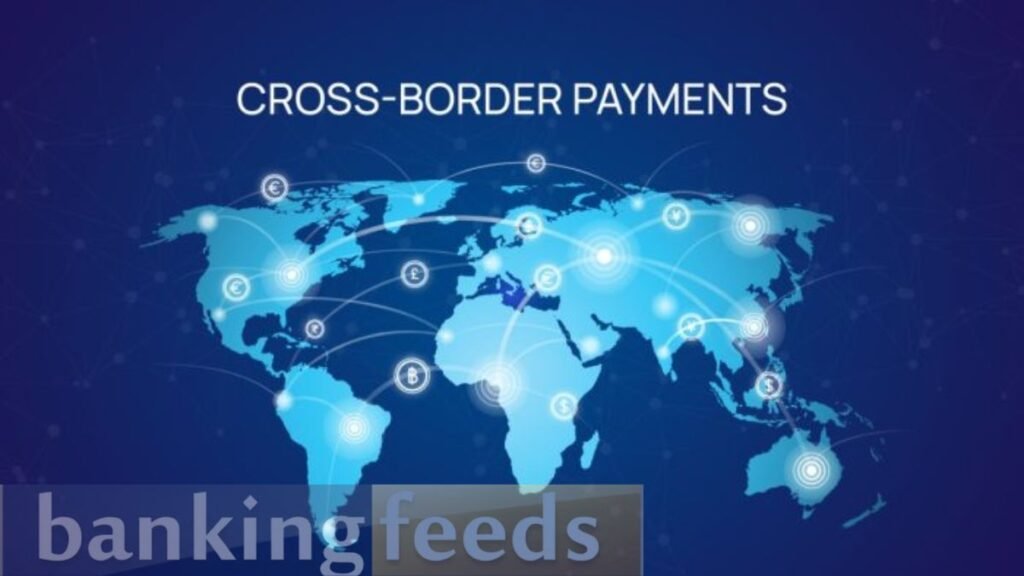
Cross-border payments are the financial transactions in which a money is transferred between people or companies in one country and another. They are general in global trade, remittances, global freelancing and online trading. Historically, banks networks like SWIFT have been used to make cross border payments. Even though these systems help in connecting the financial institutions world wide, in most cases, there are several intervening banks. The processing time and transaction charges are introduced by each intermediary. Consequently, the international transfer can take many days to be accomplished and can be very expensive.
Slow Processing Times
It also consumes two to five business days to carry out many international bank transfers. This is due to the delay that is caused by many banks in which the transaction has to go through before reaching the ultimate recipient.
High Transaction Fees
International transfers through banks and other intermediary institutions can be charged with a number of fees. Such fees consist of transcript fees, currency exchange fees and intermediary bank fees.
Limited Transparency
The customers are occasionally not able to follow the progress of international transfers. Since there are several bodies that are involved in the transaction, there is the likelihood of not knowing where the delays are. It is these challenges that have promoted faster and more open payment solutions by fintech companies.
The transformation of cross-border payments by Fintech
Fintech organisations exploit the current technology to ease international payments systems. Fintech platforms are able to transfer money much quicker than traditional banking systems by cutting out middlemen and automating payment transactions.
Digital Payment Platforms
With the use of fintech, users can send money across borders in either mobile apps or online services. The services are fast in payment and offer real time tracking of the transactions. The digital payment systems also make the processes of currency exchange easier, as a user can transfer money between various currencies easily.
Blockchain Technology
The blockchain technology contributes significantly to the enhancement of the cross-border payments. Blockchain networks store transaction records in decentralized ledgers, allowing payments to process securely without relying on multiple intermediary banks.
Real-Time Payment Networks
There is also the development of real-time payment networks by fintech companies across the world. These systems also have the direct connection amongst financial institutions and funds transfer between countries almost instantly. By using real-time payment networks, much time is saved on transferring money abroad. The Advantages of quicker Cross-Border Payments. Fintech innovations offer many benefits for international financial transactions.
Lower Transaction Costs
The fintech providers do not necessarily charge as much as banks. They are able to handle payments more efficiently because of the reduced intermediaries and the utilisation of digital systems. Reduction in fees will make international payment cheaper to businesses and individuals.
Faster Transactions
Most fintech applications are able to transact international payments in minutes or hours. This velocity enhances the flexibility of finances and Favors international trade.
Greater Transparency
New fintech payment programs offer extensive tracking features. Users are able to track the course of their transfers. The transparency enhances trust and minimizes uncertainty in the international transactions.
Better Financial Inclusiveness
The quicker digital payment systems would enable people in the developing world to avail themselves of global financial services. Fintech products through mobile platforms allow people to send and receive international money without the need of the traditional banking infrastructure.
Business and International Trade Effect
Rapid cross border payments have significant advantages to companies that engage in international trade. Business entities can save time in paying suppliers, employees, and partners in other countries without taking very long. This enhances the management of cash flow and makes businesses to be more efficient. International payments are also quicker to freelancers and remote employees. A lot of digital services have enabled professionals to accept payments efficiently and with improved security, by international customers.
Regulatory Requirements
Financial transactions involving international countries are to be in accordance with the stringent rules of anti-money laundering and financial security. The regulations must be adhered to by the fintech companies in all the countries they are operating.
Currency Exchange Risks
International payments may be influenced by fluctuations in the exchange rates. Fintech solutions have to take the issue of currency conversion seriously to avoid subjecting the customer to unforeseen expenses.
Security Concerns
Since the operations of digital payment systems are online, there should be great cybersecurity that ensures the security of financial information and prevents fraud.
The Future of Payments across Borders
Fintech innovations are expected to be important in the future of international payments. New technologies like blockchain, artificial intelligence and digital currencies can further advance the payment systems. Another way in which central bank digital currencies (CBDCs) may help is by making international payments easier. Government-issued digital currencies can enable faster and safer cross-border payments.
Conclusion
Fintech is changing the world of cross-border payments and making the process of transferring money internationally faster, cheaper, and more transparent. Blockchain, digital payment platforms, and real-time payment networks are some of the technologies that are minimizing delays and increasing financial efficiency. The business world enjoys better cash flow and speed in international transactions whereas individuals experience improved access to international financial services. Fintech innovations continue to transform the future of international payments, although regulation and security remain important considerations.