
What Is Digital Banking and How It Is Changing Traditional Banks
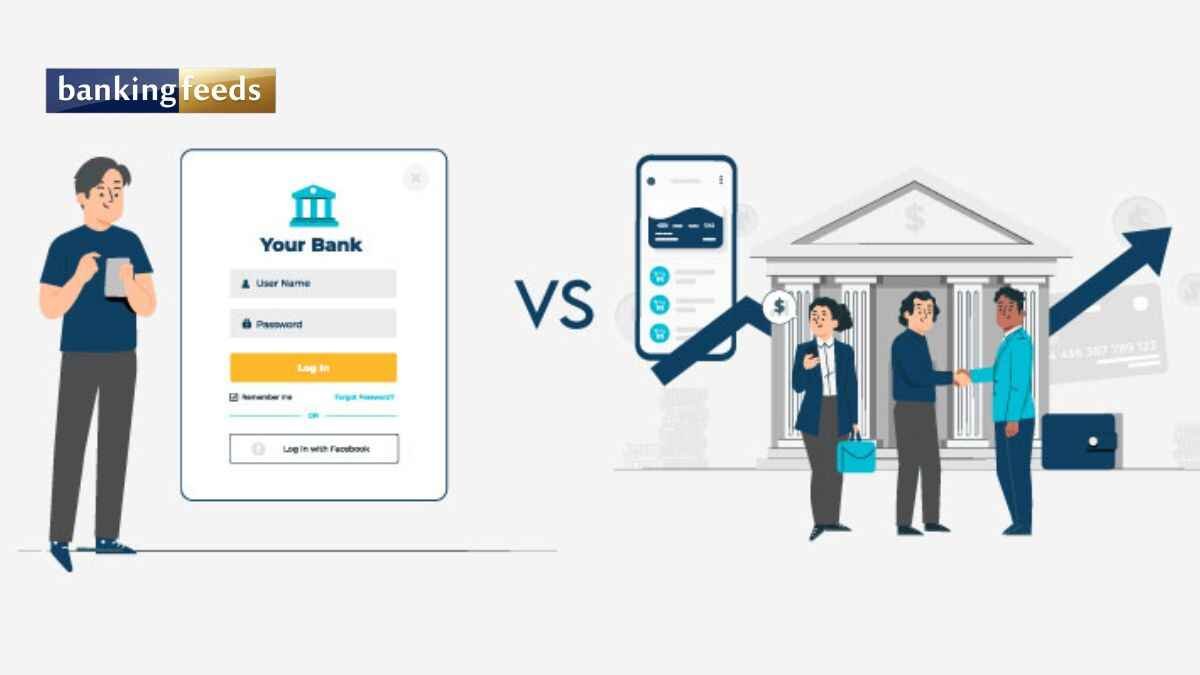
What Is Digital Banking and How It Is Changing Traditional Banks: There has been a tremendous turnover within the banking industry over the past few years. Technology has transformed the way financial institutions do business as well as the way the customers transact their finances. Digital banking is one of the greatest innovations in the financial industry. Digital banking enables individuals to access banking services via the internet and mobile gadgets without visiting the physical branch of a bank.
Top Benefits of Online Banking for Small Businesses
Now customers have the option of opening accounts, money transfers, payment of bills, loan applications and tracking their finances through their computers or smartphones. This move to digital media has transformed the traditional banking system and compelled the banks to keep up to date with the modern technology.
The knowledge of digital banking will assist customers to view how banking services are transforming and why traditional banks are reforming their operations to stay within the digital age.
The Digital Banking Understanding.
Digital banking is the process of digitizing all the banking services which used to be offered in the physical bank branches. Customers can also carry out financial operations anywhere and at any time through online banking platforms.
Previously, customers were required to go to banks so as to deposit or withdraw money as well as seek financial services. These processes were time consuming because of long queues and the banking hours. Digital banking removes these constraints through the 24/7 access to the banking services.
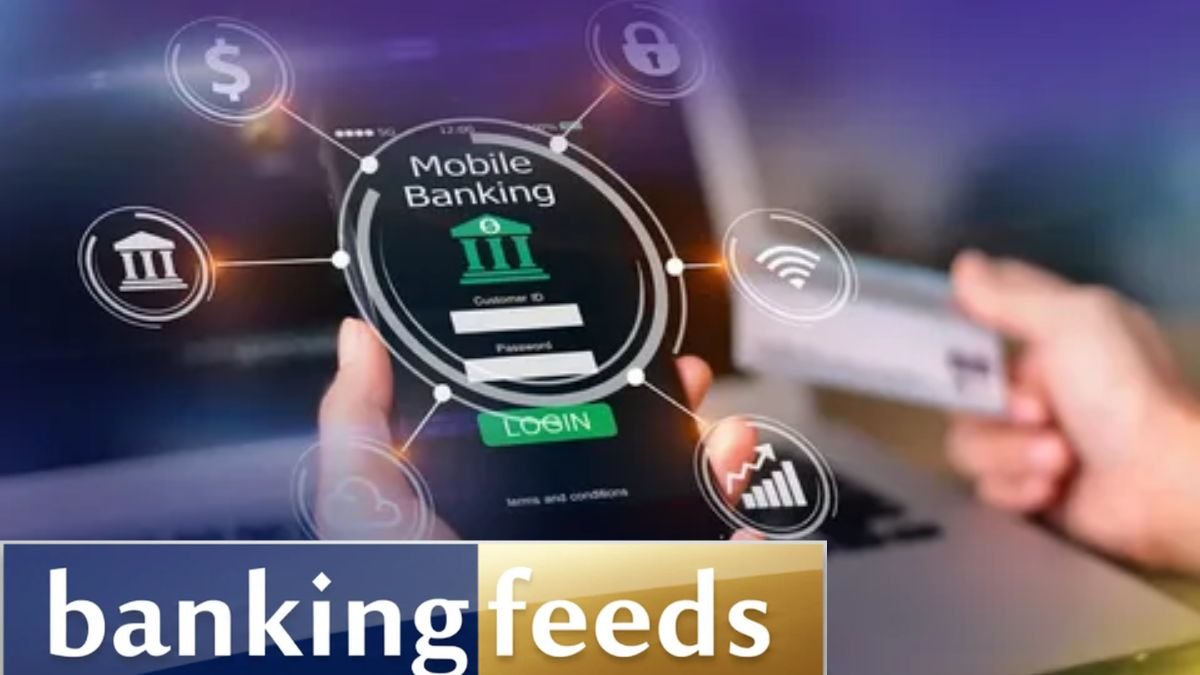
The majority of banks currently provide mobile banking applications and online services whereby consumers are able to operate on their accounts. Through these platforms, users can access balance, transfer funds, arrange automatic payment and track transactions live.
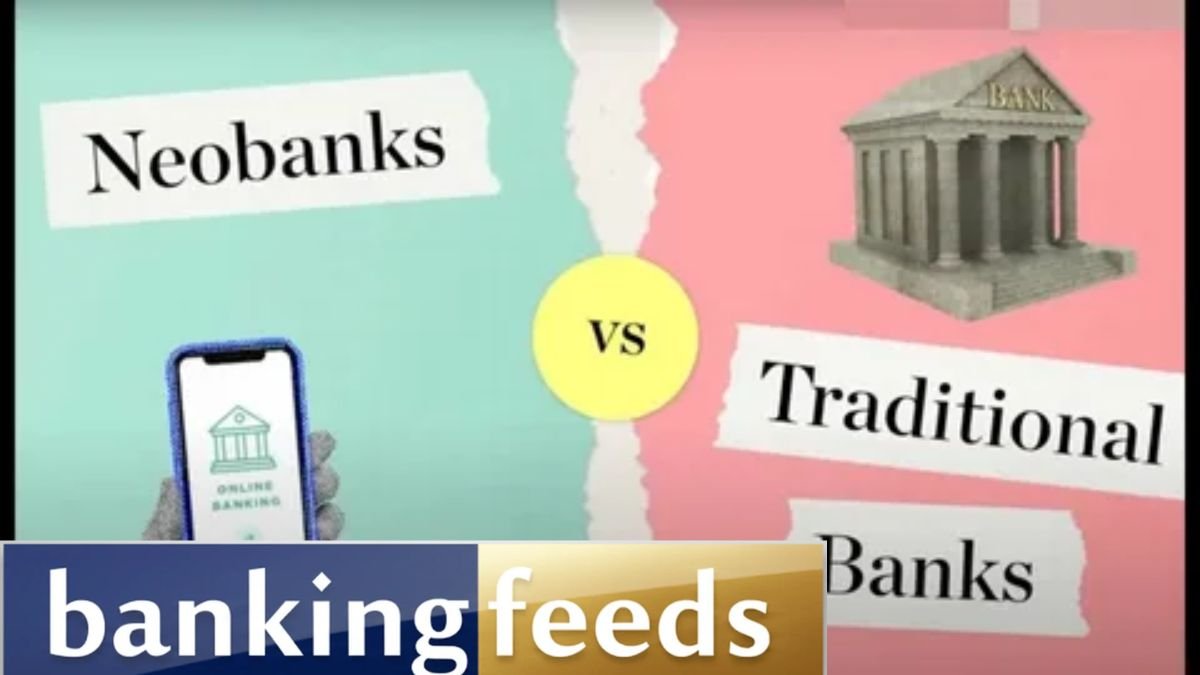
Online banking does not only apply to the normal banks that have online services. It also encompasses neobanks, comprising of digital-only banks that do not have physical branches.
Digital banking has several major characteristics.
Digital banking has some features that facilitate financial management by being convenient. The attributes enhance customer experience and ease banking.
Online Account Access
The customers are able to access their bank accounts via the internet or through mobile applications. This will enable them to see balances, transaction history and account details in real-time.
Instant Money Transfers
Online banking allows transfer of funds between accounts in a short time. There are numerous systems that allow instant payment, and people can send money in a few seconds.
Bill Payments
The digital banking provides users with the opportunity to pay utility bills, subscriptions, and other payments directly. Automated payments also minimize risks of default.
Mobile Check Deposits
Customers can use the smartphone cameras to deposit checks in some banks. The client just has to scan the check and post it using the banking application.
Financial Management Tools
Budgeting app and spending trackers are also common products of digital banking. These tools enable the user to have better control over their money.
Advantages of Digital Banking to Customers.
Digital banking has a number of benefits to individuals and business. These are the advantages that make the use of digital banking ever-increasing across the globe.
Convenience
The customers are able to check their accounts at any time without going to a bank. This saves time and it does not make one wait in a long line.
Faster Transactions
Digital systems are capable of processing transactions faster as compared to the conventional banking systems. Numerous exchanges are immediate, particularly between the same banking network.
Lower Fees
Digital banks typically have lower charges due to limited physical branches and low operational expenses involved.
Improved Financial Control
Mobile banking applications have real time updates of transacting. Customers will have easy time monitoring their expenditures and are able to have a more control over their finances.
Easy Account Management
Users will be able to manage more than one account, limit spending and have notification of transactions.
The Digital Banking Reformulating Traditional Banks.
Digital banking has compelled the traditional banks to consider the way they give services. Technological advancement and innovation have become the focus of the banks to make them competitive.
Less Reliance on Physical Branches.
A large number of customers are willing to use the online platform to manage their finances instead of going to the bank branches. This has seen banks begin to decrease the size of physical locations. Rather, they allocate higher investments on digital infrastructure and mobile applications.
Faster Customer Service
Digital applications like chatbots and automated support offer immediate customer support. Customers are able to get assistance in the form of mobile applications, websites or via message services without necessarily having to wait to get in-person attention.
Big Data-Based Financial Services.
The banks today have adopted the latest data analytics, to know how customers behave. This data assists the financial institutions to provide tailored services and financial instruments.
A banking app can recommend a savings plan or borrowing or investing opportunity as an example, based on the financial activity of a customer.
Improved Security Systems
Financial information is secured with high technologies available on digital banking platforms. Two-factor authentication, encryption and biometric verification are some of the features that facilitate in securing customer accounts.
The conventional banks have to keep enhancing their cybersecurity strategies in order to safeguard the consumers against fraud and cyber threats.
The Function of Fintech in Digital Banking.
The fintech companies, or popularly known as financial technology companies, have a significant part to play in the innovation of digital banking services.
Fintech companies bring new solutions to finance through the creation of a better payment system, lending platform, and management tools. The companies specialize in the development of quick, convenient, and simple financial services.
Fintech companies are usually collaborating with traditional banks to enhance their digital solutions. The partnerships assist banks to embrace new technologies and provide customers with improved services.
Digital-only banks are also the activities of some fintech companies. These banks are fully dependent on mobile applications and the internet to have their banking services.
The Problems of Digital Banking.
As much as digital banking has numerous advantages, it also has a number of challenges.
Cybersecurity Risks
Hackers and cybercriminals are potential targets of online financial systems. To ensure the security of the information and financial transactions of the customers, banks are forced to spend a lot of money on cybersecurity systems.
Technology Dependence
Online banking is dependent on the internet and technology infrastructure. Banking services can be affected due to system breakdowns or network problems.
Digital Literacy
Digital banking might not be user-friendly with some of the customers especially older people. It is necessary to have simple interfaces, as well as, educational materials provided by banks to assist users with learning digital platforms.
Regulatory Compliance
When providing digital banking, there are specific rules that the financial institutions should adhere to. Banks are regulated by governments and other regulatory bodies to promote financial security and consumer protection.
The Future of Online Banking.
The future of digital banking will improve with the development of technology. Financial services will also be transformed further using artificial intelligence, cloud computing, and sophisticated data analytics.
Banks are investing into technologies that enhance automation, fraud detection and customer experience. The mobile banking applications will become more smart and individualized.
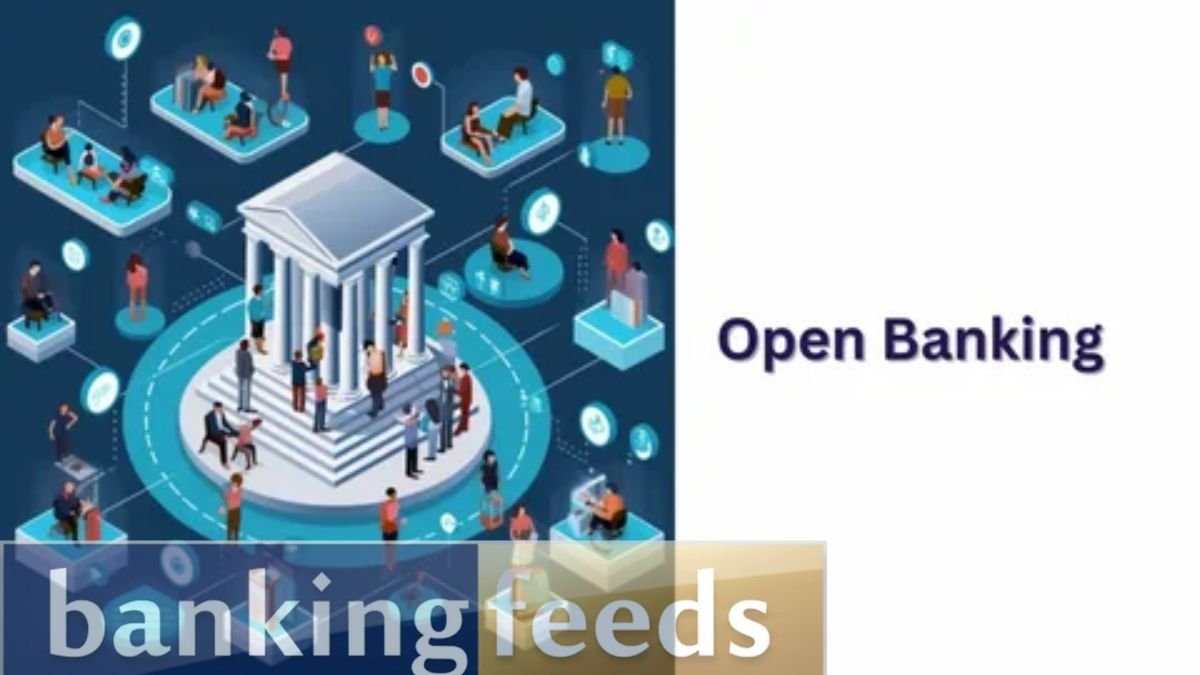
Financial institutions can also share data with third servicing options securely through open banking initiatives. This innovates new financial products that assist the customer to manage their funds better.
Digital banking can be further incorporated with other emerging technologies in the future like wearable devices and voice-controlled assistants. Banking can be done by voice command or smart devices by the customers.
Conventional banks that keep up with such technological advancements will not be out of their place in the new financial system.
Conclusion
Digital banking has transformed the financial sector and made banking services quicker, more convenient and accessible. Customers are now able to transact on their smartphones and computers without necessarily going to the bank branches.
The old banks have reacted by embracing the digital level, enhancing cybersecurity, and collaborating with financial technology firms. Banks can respond to the increasing demand of online financial services with these changes.
With the continued advent of technology, the digital banking will have an even bigger place in the financial system of the world. The customers who know and embrace the digital banking tools will enjoy the convenience of having quicker transactions, better management of their finances, and convenience in day-to-day banking processes.

[…] What Is Digital Banking and How It Is Changing Traditional Banks […]