
The Best Fintech Trends of 2026 that will define Banking
Introduction
The banking industry is still being transformed by financial technology. New technologies are able to assist a bank in offering quick services, cutting down on operational expenses, and enhancing the customer experience. With the rise in digital adoption, fintech’s and conventional banks are placing a lot of funds into the innovation field. A number of fintech trends will be significant in transforming the banking systems in 2026. These patterns will determine the way individuals will pay, get loans, save as well as relating to the financial institutions. These trends will assist businesses, investors, and consumers to be ready to embrace the future of the banking industry.
Introduction to Fintech and the Revolution of the Financial Industry
Banking Artificial Intelligence
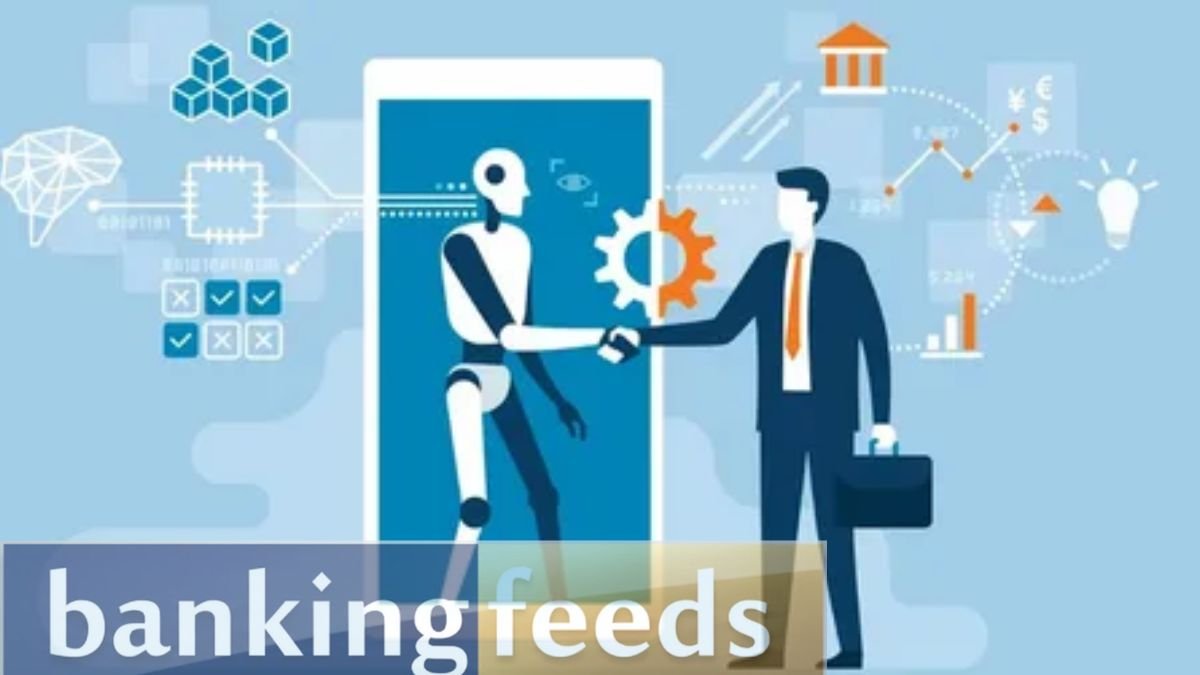
Artificial intelligence has emerged as a strong instrument in current banking. AI systems are now used by banks in order to analyses financial data, identify fraud, and automatically provide customer support. AI has the ability to analyses high amounts of transactions within a short time. This assists the banks to detect suspicious activities and prevent fraud at a greater speed. Chatbots based on artificial intelligence are also used by many banks. These are tools that provide answers to customer questions and also help in performing most of the banking activities such as checking the balances or moving money to another account. AI is also used in making financial services personalized by the banks. The AI systems can propose superior savings plans or shaping products by analysing customer expenditure history.
Growth of Neobanks
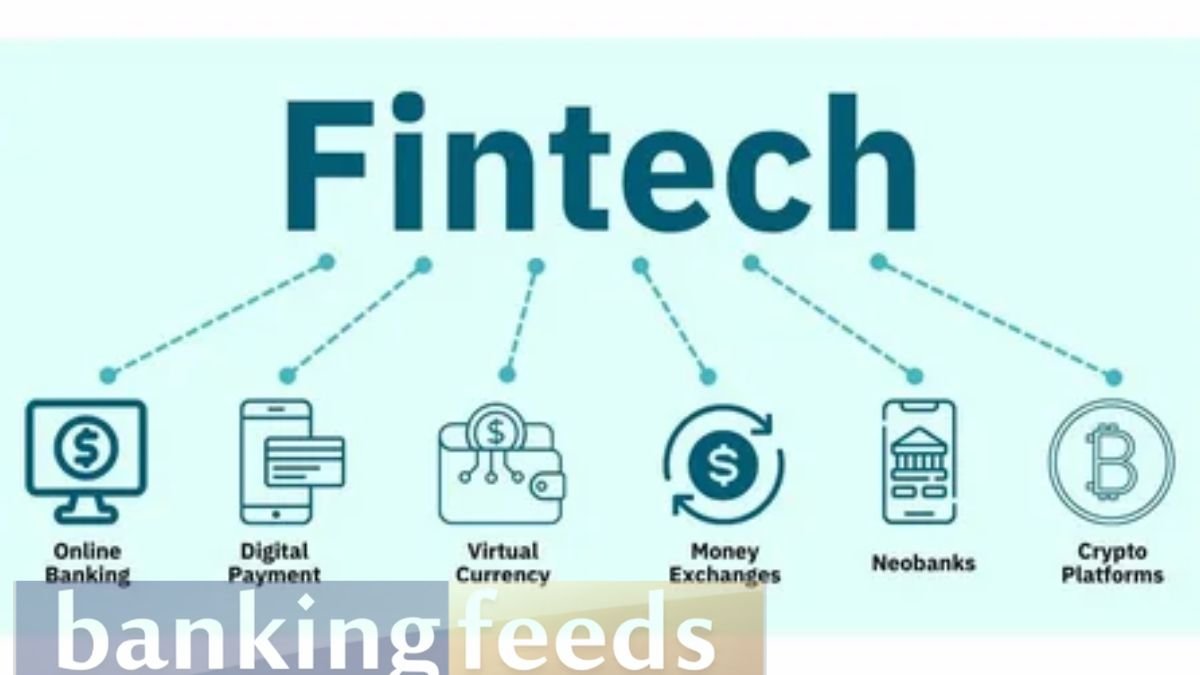
The number of neobanks increases at a high pace. These virtual banks have a totally online presence and do not use physical outlets. The reason why customers Favor neobanks is easy mobile applications, reduced fees, and expedited services. It usually takes a few minutes to open an account with a neobank. User experience is also important to neobanks. Their applications have budgeting, notifications about spending, and simple payments. With the increasing number of individuals shifting to digital banking, neobanks will be a strong competitor to conventional financial services.
Expansion of Open Banking
The other significant fintech trend is open banking. It enables banks to transfer financial information safely among other third-party companies. Financial apps enable clients to attach their bank accounts in order to spend, budget, or pay money. Open banking promotes innovation in finance. Customers can give their consent to use banking data to build new financial products, enabling fintech companies to do it. Already, open banking regulations are supported by many countries, and their implementation is expected to increase over the next years.
Rise of Embedded Finance
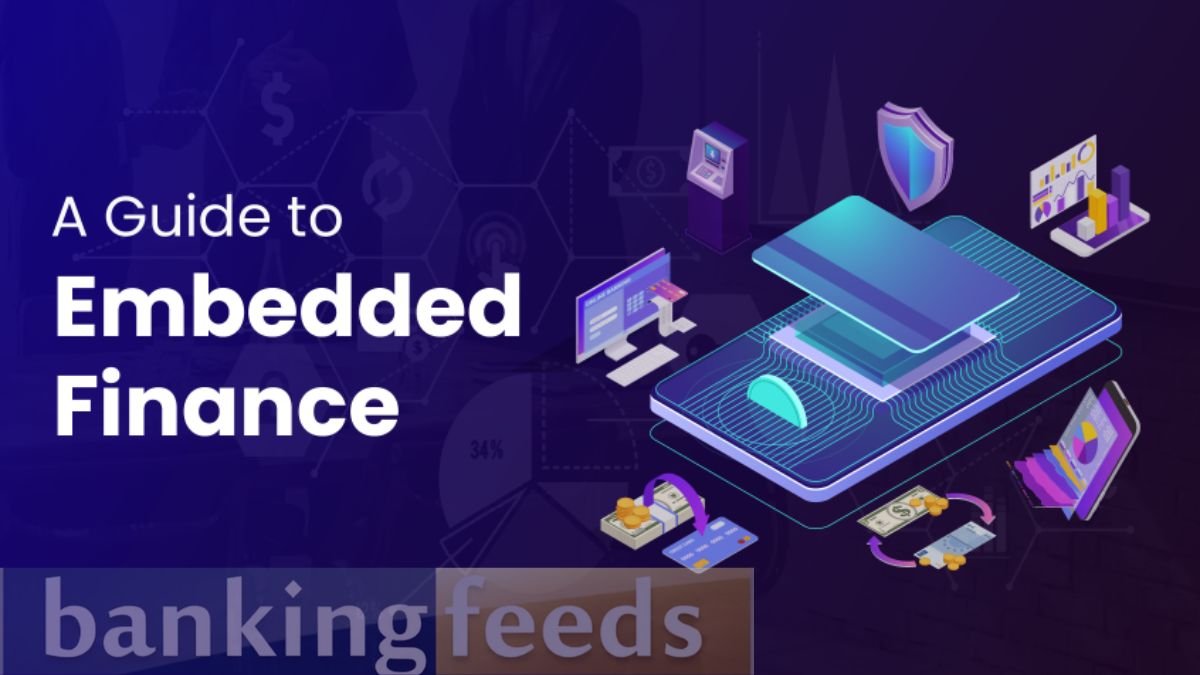
Embedded finance enables businesses that do not belong to the banking sector to provide financial services to their platforms. An example is the e-commerce sites, which can offer digital wallets or instant payment. Driver banking can be provided by ride-sharing apps. The convenience is enhanced by the fact that customers can access their financial services in the same apps they visit. It is also beneficial to businesses since embedded finance generates new sources of revenue and enhances customer interaction.
Cryptocurrencies and Digital Money
The blockchain technology has an impression on financial systems. It offers transparent and secure records of transactions thereby curbing fraud and enhancing confidence. Cross-border payments across banks are one of the products that many banks are considering use of blockchain. Conventional international monetary flows typically require a number of days to finish. The transactions done using blockchain payments are possible in a few minutes. There is also the growth of digital payment system. QR payments, mobile wallets, and contactless payments have become a common practice with people in most countries. These technologies make transactions easier and minimize the use of cash.
Banking-as-a-Service (BaaS)
Banking-as-a-Service enables fintech businesses to mimic the banking functions without turning into licensed banks. Fintech startups are able to provide banking infrastructure via APIs through BaaS platforms. This enables them to offer services including digital wallets, payment cards and lending systems. BaaS saves the time of fintech companies development and promotes the quick development of financial products. The numerous financial applications in the modern world are based on BaaS to provide the customers with banking capabilities.
Better Cybersecurity Technology
With the increasing digital banking, cybersecurity becomes significant. Bank security must protect confidential financial data from cyber threats and attacks.. Such security technologies as biometric authentication, encryption systems, and fraud monitoring solutions are costly items in which fintech companies invest heavily. Online banking apps use biometric authentication, such as fingerprint or facial recognition, to provide extra security. Financial institutions also implement advanced cybersecurity systems to build trust with their clients.
Digital Banking as a means of Financial Inclusion
FinTech’s also enhance financial inclusion. Traditional banking services are not available to many individuals across the globe. Financial apps enable one to create accounts, remit money, and handle finances via mobile phones. Mobile banking applications save on paperwork and make financial service accessibility very easy. Through their smartphones, users will be able to manage their accounts, transfer money and pay directly. Increasing uptake of fintech means that an increasing number of people and small enterprises can gain access to financial products and tools in banking. The increased availability contributes to the promotion of economic growth and financial inclusion.
Conclusion
In the year 2026, the future of banking will keep being influenced by the trends in fintech. Artificial intelligence, open banking, blockchain, embedded finance, and technologies are changing the nature of financial services. Fintech startups and digital banks will launch new products in the financial industry that will provide consumers with speed, convenience, and better customer experiences. In the meantime, the traditional firms are embracing modern technologies so as to stay afloat in the shifting financial environment. Through the combination of digital tools and innovative solutions, they will be able to enhance efficiency and customer experience.
Presumably, in future years the financial sector will be more digital, automated and customer-oriented. This is a change that will constantly influence the delivery of financial services. With the rise in technology, financial institutions will go more digital to enhance efficiency and accessibility. The developments will ensure that the financial services are quicker, convenient and user friendly. Consequently, the future of finance will be more technology oriented.

0 comments