
The Fintech Start-up Strategy of Banking-as-a-Service (BaaS)
Introduction
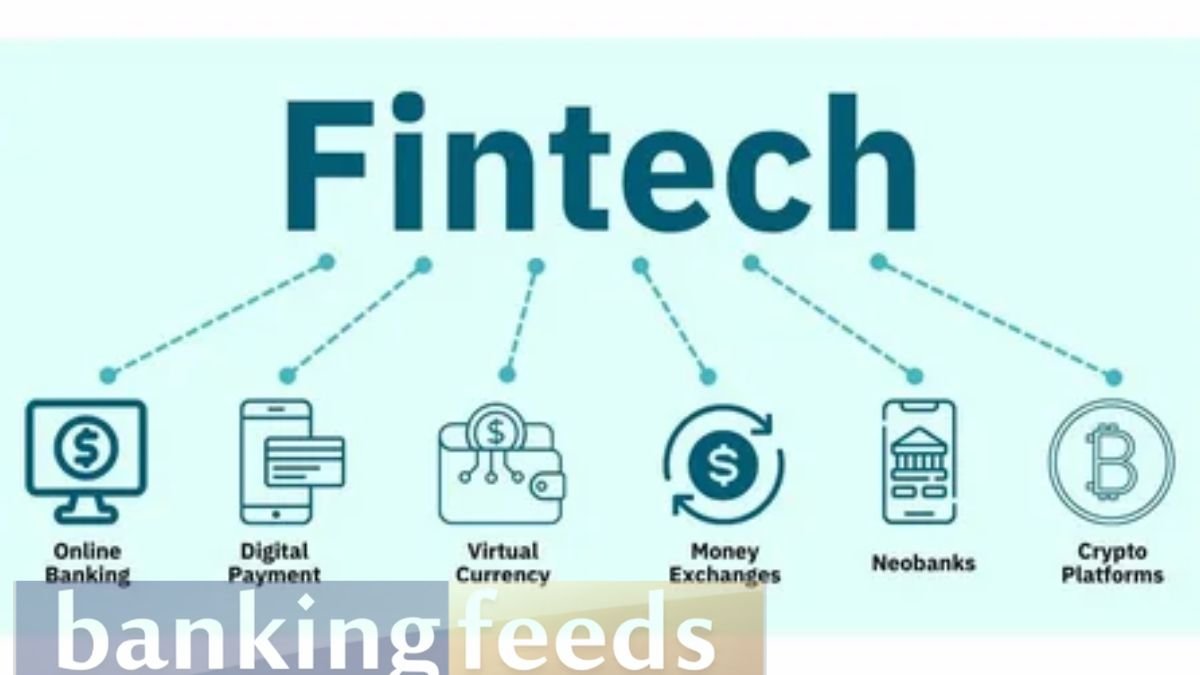
Technological firms in the banking sector are still transforming the sector. A number of fintech start-ups tend to offer banking solutions including payments, digital wallets, debit cards, and lending. Nevertheless, it is very expensive since the process is costly in terms of capital and elaborate infrastructure needed to become a regulated bank. This difficulty gave birth to Banking-as-a-Service (BaaS). BaaS enables the fintech start-ups to deliver banking services without necessarily becoming banks. They instead link to licensed banks by using secure technology platforms. With the help of BaaS platforms, fintech companies are able to launch financial products within a short time. This model decreases the cost of development and enables start-ups to invest in the user experience and innovation. Banking-as-a-Service is a significant force in the construction of the new digital financial services as the fintech continues to expand.
The Best Fintech Trends of 2026 that will define Banking
Banking-as-a-Service (BaaS)? What Is It?
Banking-as-a-Service refers to a model in which licensed banks offer the fintech businesses their financial infrastructure by way of Application Programming Interfaces (APIs).
- Such APIs enable fintech platforms to be interconnected with banking systems. Startups have the ability to provide such services as:
- Digital bank accounts
- Payment processing
- Debit and virtual cards
- Lending services
- Money transfers
Fintech companies do not develop their own banking infrastructure but instead build on regulated bank infrastructure. This alliance enables the startups to provide financial products as the licensed bank manages the compliance and regulation.
- How BaaS Works
- The Banking-as-a-Service model implies three key players:
- Licensed banks
- BaaS platforms
- Fintech companies
Financial infrastructure is offered through licensed banks, and regulatory compliance is also offered. BaaS providers are the developers of the technology platform between banks and fintech apps. These platforms are then used by fintech startups to create financial services to their customers. The application links up to a BaaS solution via APIs. The platform connects the app with a licensed bank that controls the financial accounts. . This system enables the fintech firms to roll out financial services fast without having to construct the banking structures. Advantages of BaaS to Fintech Startups. Banking-as-a-Service is beneficial to fintech startups in a number of ways.
Faster Product Development
The construction of a complete banking system is a long process. BaaS offers fintech businesses the opportunity to opening financial products significantly quicker. Through APIs, startups have the opportunity to implement banking functionality and aim to make the user experience better.
Lower Operational Costs
Establishing a banking system is costly in terms of infrastructure, licensing and compliance with regulations. BaaS saves such expenses since partner banks use the infrastructure of fintech companies.
Focus on Innovation
Innovations can be prioritized by the fintech startups, as the banking infrastructure is under the control of BaaS providers. They are able to come up with superior mobile applications, payment and financial solutions. This adaptability assists the fintech’s to compete with the traditional banks.
Less Complex Regulatory Compliance
The financial laws are complicated and differ in countries. The regulatory requirements are handled by licensed banks collaborating with BaaS platforms.
- This eliminates legal risks to fintech startups.
- Examples of BaaS Applications.
Many current financial products are made possible through Banking-as-a-Service.
Digital Wallets
Numerous mobile payments applications store and manage user funds with the help of BaaS. These wallets enable the users to send and receive money instantly.
Neobanks
BaaS infrastructure is used by banks that are digital only. They offer banking services via mobile applications with the underlying accounts under the license of a bank.
Payment Platforms
BaaS technologies incorporate payment service in online marketplaces and e-commerce platforms. This enables companies to make payments inside the companies.
Fintech Lending Platforms
BaaS systems are used by many credit and loan services offered by fintech lenders. The fintech provider is the one that operates the user interface and bank is the one that deals with the finances. APIs support Banking-as-a-Service (BaaS) systems and enable different platforms to connect with banking services. The API enables software systems to communicate in a secure manner.
APIs in BaaS platforms bring fintech apps to the banking infrastructure
As an example, a customer may open a new account using a fintech application, which then transmits the request to the partner bank using API. The fintech platform then shows the information to the user as the bank opens the account. APIs facilitate a rapid and secure inter-fiscal communication. They also enable fintech business organizations to offer various financial services on a single platform.
Difficulties of Banking-as-a-Service
Despite a wealth of benefits associated with BaaS, the solution also has its share of challenges. Regulatory Risks In most countries, financial regulations are tough. Financial technology firms have to make sure that they comply with regulations in the provision of financial services.
Dependence on Partner Banks
Partner banks provide a lot of infrastructure and regulatory compliance to fintech companies. When the banking partner modifies the policies or services, then this can influence the fintech platform.
Security Concerns
Security of financial data is one of the priorities. BaaS systems need to adopt effective cybersecurity systems to ensure the security of customer data and transactions. These difficulties notwithstanding, the BaaS model keeps expanding at a high pace. Banking-as-a-Service Future.
Banking-as-a-Service is one of the key areas of the future of fintech
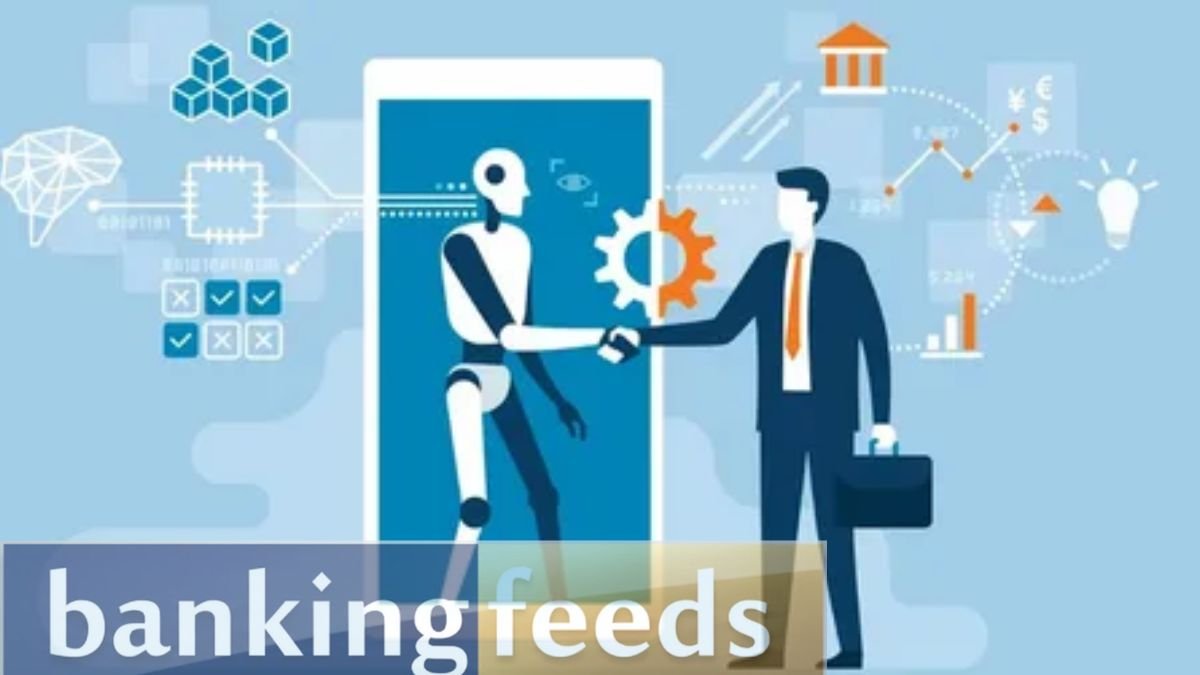
With the growth of digital finance, additional companies are going to incorporate financial services into their platforms. Technology firms, e-commerce and even social media applications are likely to provide embedded financial services via BaaS systems. . These technologies are able to improve security, automate financial processes, and improve financial analytics. Banking-as-a-Service will enable the expansion of digital financial ecosystems as innovation is going on.
Conclusion
Banking-as-a-Service has gained significant relevance to fintech startups interested in providing financial services but not licensed as banks. BaaS platforms allow startups to develop financial products fast and efficiently with integrating fintech apps and banking infrastructure via APIs. This model lowers expenses and regulatory compliance is simplified, and enables fintech companies to concentrate on innovation. With the never-ending development of fintech, Banking-as-a-Service will continue to be one of the driving forces of digital financial services and financial innovation.

0 comments