
The Financial Authority in the Banking Stability
Introduction
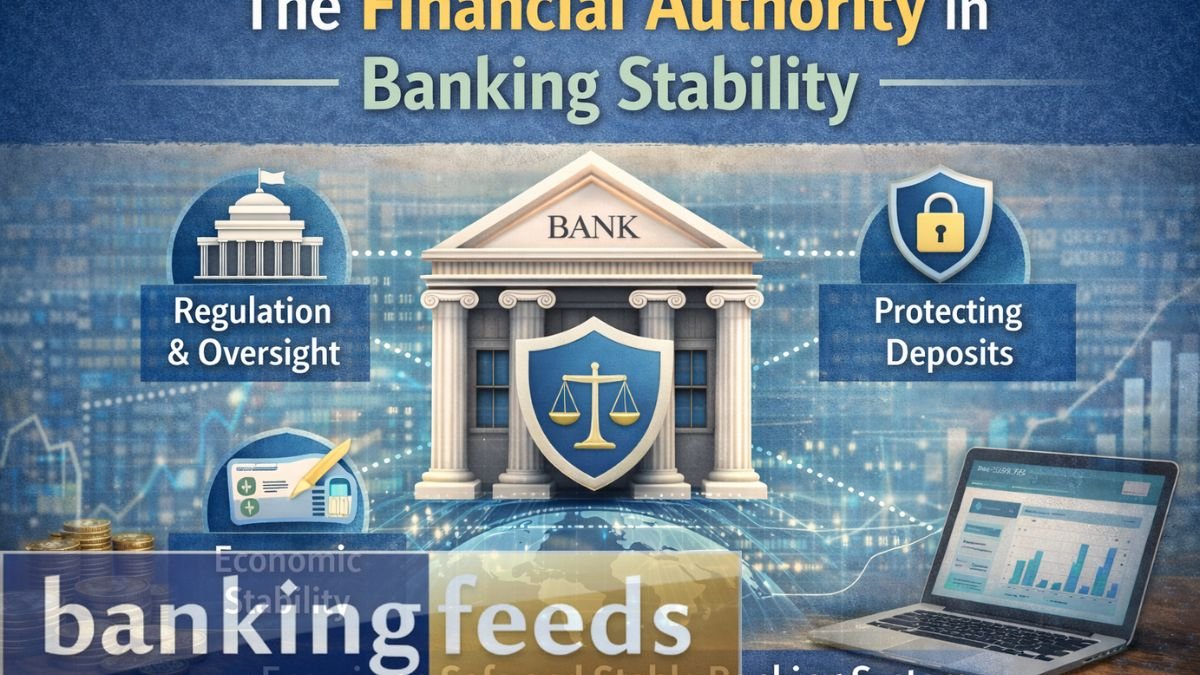
The financial system in the world is based on trust and stability. The banks deal with millions of people and businesses in deposits, loans, investments, and payment systems. The governments have financial authorities that oversee and control the banking industry to ensure that the banks are operating safely and responsibly. The financial authorities are important in ensuring that there is stability in the banking system. They formulate regulations, oversee the financial institutions and intervene in cases where the banks can be exposed to financial risks. Their efforts will safeguard the customer, retain trust in the financial sector and avert financial crises. The role of financial authorities would make the customers appreciate the security and reliability of the banking systems.
Introduction to Fintech and the Revolution of the Financial Industry
Financial Authorities: What Are They?
One of the roles that financial authorities play is to oversee the financial institutions as a government agency or an independent body. Their main role is to see that the banks and other financial institutions are safe in their operation and adhere to financial rules. These regulators oversee financial operations, establish regulatory norms and safeguard the stability of the financial system, in general. The finance regulators are such as central banks, financial regulatory commissions and supervisory agencies that regulate the financial markets and the banking business.
Stability in the Banking System
Financial authorities have the duty of holding the banking system stable as one of their primary roles. They also keep a check on financial institutions to make sure that banks are strong in terms of finance and can fulfill customer demands. Banks are expected by financial authorities to have sufficient capital reserves. These reserves assist banks in absorbing losses in the economy whenever there is a downturn. Through the application of capital provisions and the financial requirements, the authorities minimize the chances of bank failure that can impact customers and companies.
Banking Operations supervision
To enhance a check of adherence to financial rules and regulations, the banking activities are periodically monitored by financial authorities. They do inspections, financial reports review, and risk management practices. Supervisory practices assist the regulators in determining possible risks at an early stage before they develop into serious financial issues. When the authorities realize that the operation of a bank has been weak in a particular way, then they may mandate reactive measures. The frequent control in place will warrant financial institutions to be responsible in their banking.
Securing Customers and Deposits
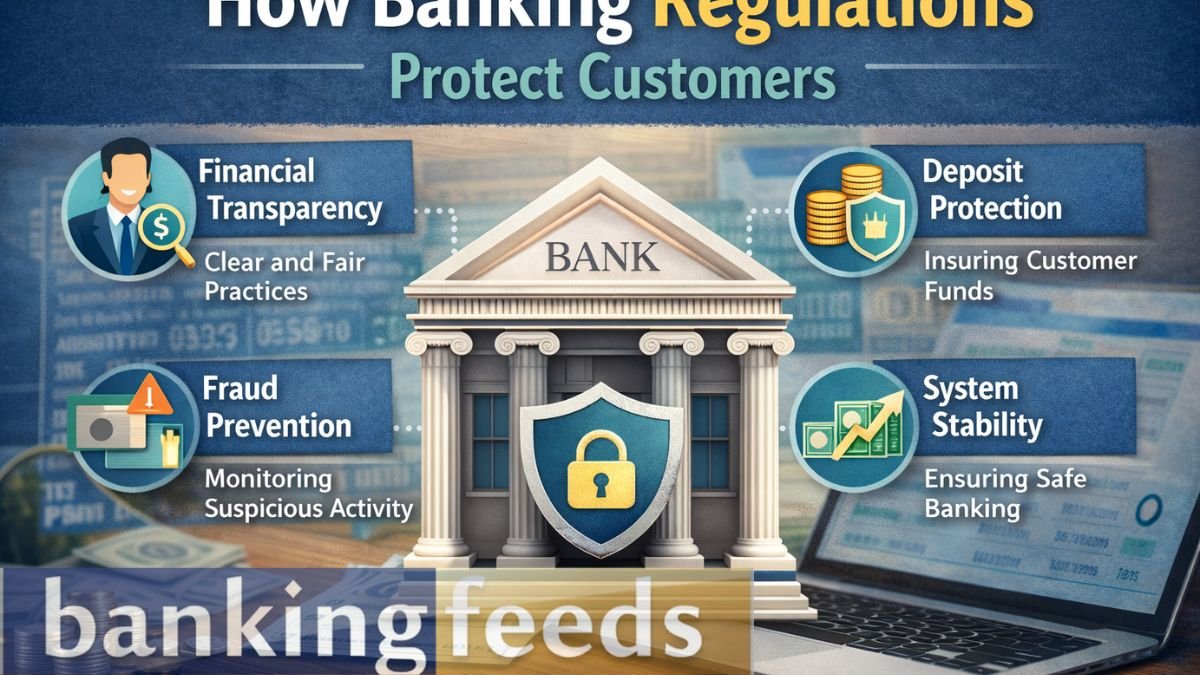
The financial authorities also guard the customers by putting in place regulations that secure deposits and financial deals. Most nations have deposit guarantee programs that ensure that the money of the customers does not exceed a certain amount in the event that a bank fails. Such protection minimizes the chances of losing savings and makes people believe more in the banking system. Consumer protection legislation is enacted by the authorities to make sure that banks do not discriminate against customers in offering financial services like loans, credit cards, and other investment products.
Eliminating Financial Crimes
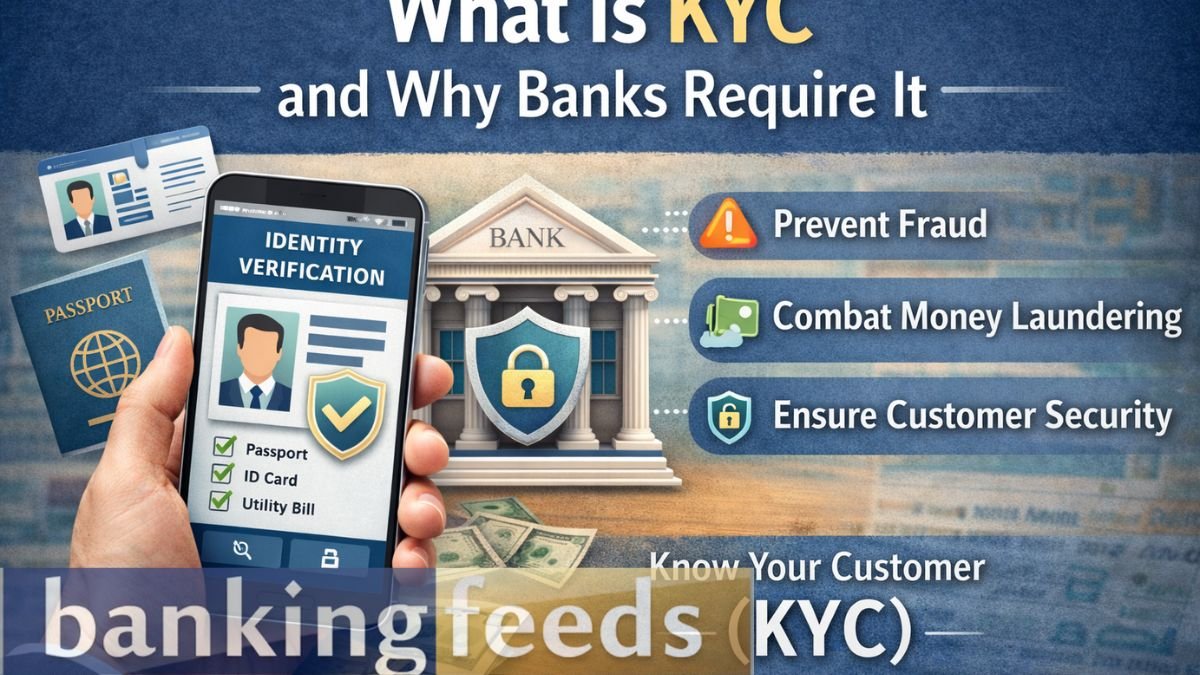
Banks liaise with financial authorities to curb any financial crimes like fraud, money laundering and terrorist financing. They put in place the regulatory systems like Anti-Money laundering (AML) and Know Your Customer (KYC) systems. The frameworks necessitate banks to cross-check with customers and track suspicious financial transactions. The financial authorities also liaise with law enforcement agencies to detect financial crimes and safeguard the integrity of the financial system.
Financial Intervention and Crisis Management
When the economic situation is at stake, financial authorities can step in to stabilize the banking system. In case of acute financial troubles of banks, the authorities can offer emergency assistance or reorganize failed institutions. As an example, central banks can inject liquidity into the financial institutions to ensure they continue with their operations even when they are under financial stress. Through these interventions, the financial instability at large scale is avoided, and the customers are cushioned against economic shocks.
Marketing Financial Transparency
The financial authorities encourage transparency in banking activities through the disclosure of financial information by the banks. This openness enables the regulators and investors to assess the financial soundness of the banks. Banks are required to publish financial reports, risk exposure and adhere to the accounting standards of regulatory authorities. Open financial systems will assist in ensuring trust among banks, customers and investors.
Funding Financial Innovation
Financial authorities are also involved in the process of supporting financial innovation. Increased digital banking and financial technology have forced regulators to make sure that emerging financial services are provided on safe platforms. Numerous regulators are currently working together with fintech firms to establish regulatory frameworks that are both innovative and customer protectionist. Such a compromise between innovativeness and regulation promotes the emergence of contemporary financial services. Financial problems in the financial authorities. There are various challenges that the financial authorities are struggling with in ensuring that the banking system remains stable.
Blistering Technological Changes
Cryptocurrencies and fintech innovations, as well as digital banking, generate new regulatory issues. Regulators have to be versatile enough to handle the new financial technologies.
Financial Integration at the Global Level
Banking systems that are in operation today are international. Regulators are expected to liaise with global financial institutions in order to control cross-border financial risks.
Complexity in Financial Markets
The financial markets have become intricate, and the regulators need to look at volumes of financial information and transactions. Irrespective of such difficulties, financial authorities are critical towards ensuring secure financial systems.
The Future of Financial Supervision
Further development of the future of financial supervision is likely to highly depend on advanced technologies. In order to track financial transactions and identify possible risks more effectively, regulators are starting to apply artificial intelligence and data analytics. Online reporting methods can also enhance regulatory control and enable the authorities to recognize financial risks in real time. With the ever-changing financial systems, the role of financial authorities will be more significant in ensuring the stability of the banking industry and protecting the customers.
Conclusion
The financial authorities are also important when it comes to stability of the banking system. They control, oversee and steer crises so as to ensure that banks act in a responsible manner and in the best interest of consumers. These authorities ensure there is trust in the financial system by regulating financial practices, checking banking practices, and thwarting financial crimes. With the current financial services that keep on changing due to new technologies, the financial authorities will be crucial in maintaining safe and stable banking systems in the world.


0 comments