
The Digital Payment Systems in Banking In the Present Day
Introduction
Paying systems are now a necessity of modern banking using digital means. Financial technology has changed the manner in which individuals send, receive, and handle money within the last one decade. People and companies now use mobile wallets, internet-based payment systems, and immediate bank transfer instead of solely using cash or through bank checks. The systems enable transactions to occur fast and safely. Shopping online, paying bills, transferring money, and receiving payments can be done through smartphones or computers by the customers. Due to the continued rise of digital banking, digital payment systems are taking the place of digital banking. Learning about the operation of digital payment systems can assist individuals and companies to utilize the current financial tools better.
Introduction to Fintech and the Revolution of the Financial Industry
What are Digital payment systems?
Digital payment systems are technologies by which individuals are able to move money electronically without the utilization of physical cash. These are systems which utilize digital networks to process financial transactions among banks, businesses and consumers.
- Typical instances of digital payment systems are:
- Online bank transfers
- Mobile payment apps
- Digital wallets
- Contactless card payments
- QR code payments
These are technologies, which enable buyers to make payments instantly or in a few seconds. This has made digital payments to be common in both the developed and the emerging economies.
The operation of Digital Payment Systems
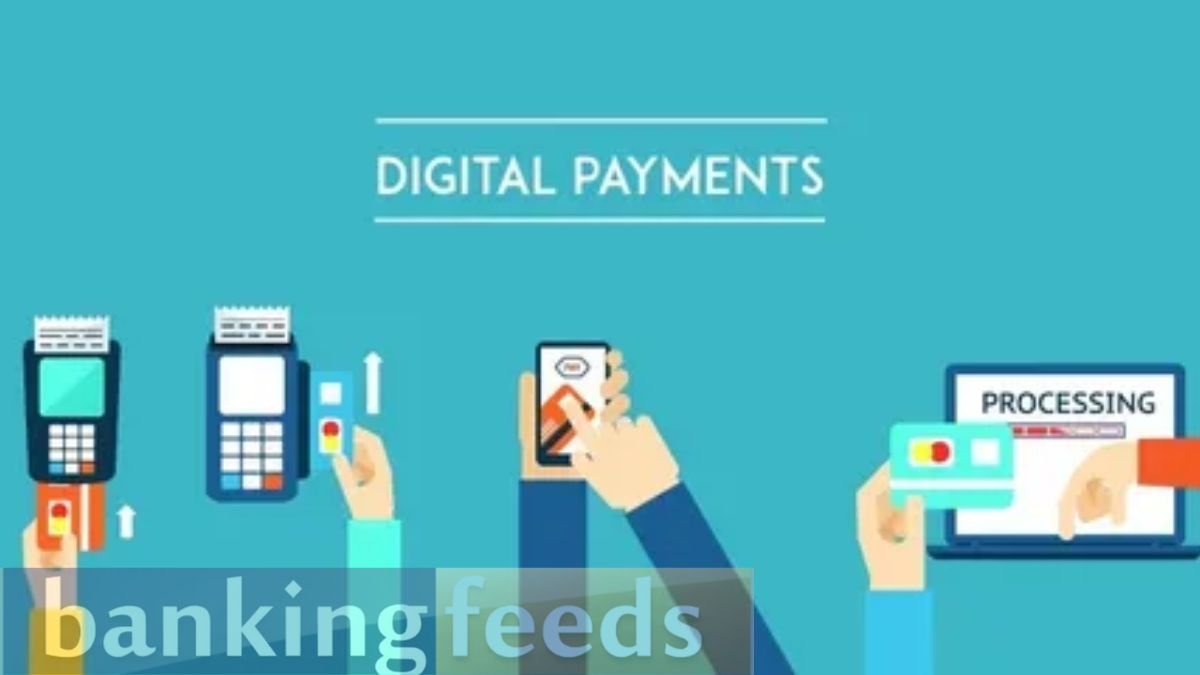
Digital payment systems are controlled by a systematic procedure that entails a number of players. The most important actors are the customer, the merchant, the payment processor and the banks used in the transaction. Definitely, the process starts with a payment initiated by a customer who uses a digital device like smartphone, computer, or payment card. This may occur during shopping online, payment of a bill or transfer of money. The payment details are then transferred to a payment processor. The payment processor will process the transaction details and relay messages to the customer bank to ensure that there is enough money available or not. In the case where the transaction is approved by the bank, payment processor transfers the money to the bank account of the merchant. Lastly, the deal is finalized and a confirmation is given to both parties.
- This whole procedure only consumes a few seconds.
- Digital payment systems are of different types.
The digital payment systems that are supported by modern banking are of various types.
Mobile Wallets
Mobile wallets enable consumers to save payment details on their mobile phones. The widespread digital wallets allow people to purchase goods and services either through QR scanning or through contactless means. The mobile wallets are also useful in that they enable a user to save digital cards and make safe online payments.
Online Bank Transfers
The online banking systems enable customers to transfer money straight out of their bank accounts. These transfers may be made as personal payments, bill payments or business transactions. Banking is another area where there has been a rapid change in the form of instant transfer services which enable funds to be transferred between accounts very quickly.
Contactless Payments
Contactless payment systems enable the users to tap their payment cards or smartphones on payment terminals. The technology applies Near Field Communication (NFC) to make transactions safely. Contactless payments are common when making small transactions like paying transportation, grocery or going shopping.
- QR Code Payments
QR code payments are becoming popular in a number of countries. A QR code printed on the merchant is scanned by the customer and paid with the help of a mobile banking application or electronic wallet. This system is easy, quick and applicable in both online and off-line transactions.
Advantages of Digital Payment System.
Digital payment systems have a number of benefits to the consumer and business.
- Convenience
The customers are able to pay at any time and any place with their digital devices. This saves the hassle of carrying cash or attending the brick-and-mortar branches of a bank.
- Speed
Digital payments can be conducted in a few seconds. It is easier to transfer money using instant payment systems.
Better Financial Monitoring
Electronic payments result in the automatic record of transactions. This aids users to keep track of their expenditure and are more efficient with finances.
Growth in Business Efficiency
Companies will enjoy the advantage of quicker transactions and accounting management. Digital payments save on time in which cash payments are made.
The Digital Payment Systems Security
Security is a very important aspect of online payment systems. Banking and payment providers are employing sophisticated technologies in securing financial transaction. In a great number of systems, encryption is applied to ensure the security of the data of transactions. Encryption will mean that one will not be valuing sensitive financial information which can be intercepted during its transmission. Two-factor authentication is another security feature that is common. This will make the user authenticate their identity through further security measures, including a one-time password delivered to their phone. Digital banking applications are also becoming common with biometric authentication. Fingerprint recognition and face scan also offer an added security. These security systems assist in ensuring the confidence in online financial services.
The Fintech in Digital Payments
Digital payment systems have been largely extended through financial technology businesses. Fintech firms come up with mobile applications, online payment systems, and online wallets, which ease financial operations. Another common feature of many fintech platforms is the attention to the user experience, which is provided through a faster payment process, easy-to-use interface, and sophisticated financial solutions. Another way, through which fintech innovations have facilitated cross-border payments, is that the user is able to send money across the borders at reduced charges and within shorter periods. These advancements are still growing the world of digital payments.
Digital Payment Systems Challenges
Digital payment systems also have some challenges even though they have their benefits. Cybersecurity risk is one of the challenges. With the increased use of digital payments, cybercriminals can make an effort to take advantage of financial systems vulnerabilities. The other problem is digital accessibility. Others are even unable to use smartphones or a stable connection to the internet which makes them unable to use digital payment services. Banking institutions should also make sure that they have adhered to the rules and regulations and have good security measures to guard users.
Future of Digital Payments
The digital payment systems will keep developing due to the further progress of the financial technology. Payment security and efficiency are likely to be enhanced due to artificial intelligence, blockchain technology and biometric authentication. CBDCs also can be included in the digital payment ecosystem. These electronic currencies might permit the governments to publish governmental digital money. With the further evolution of technology, it is improbable that digital payments will be even faster, safer, and more widely used in the global arena.
Conclusion
Digital payment systems are essential in the contemporary banking as it allows quick, safe, and easy financial transactions. Mobile wallets, QR payment, and instant bank transfer are some of the new technologies that have changed how money is handled. Such systems advantage both the consumer and the business by enhancing efficiency and reducing the transfer time as well as giving a better financial follow-up. With the further development of financial technology, the digital payment system will be the primary source of innovation in the global banking sector.