
The Impact of Credit Scores on your Finances
Introduction
A credit score has a significant influence in your life finances. It is a mathematical measure of your credit worthiness on the basis of your financial conduct. Credit scores are used by lenders, banks, and other financial institutions to help them to establish whether an individual is trustworthy when he or she borrows money. Credit score also affects most aspects of finances such as loans, interest rate, and even a place to live. Having a good credit score would lead to better financial products whereas, having a low credit score can make it harder to borrow. By learning about the credit score system and its effects on your financial life, you can invest in the financial stability of your life.
Introduction to Fintech and the Revolution of the Financial Industry
What Is a Credit Score?
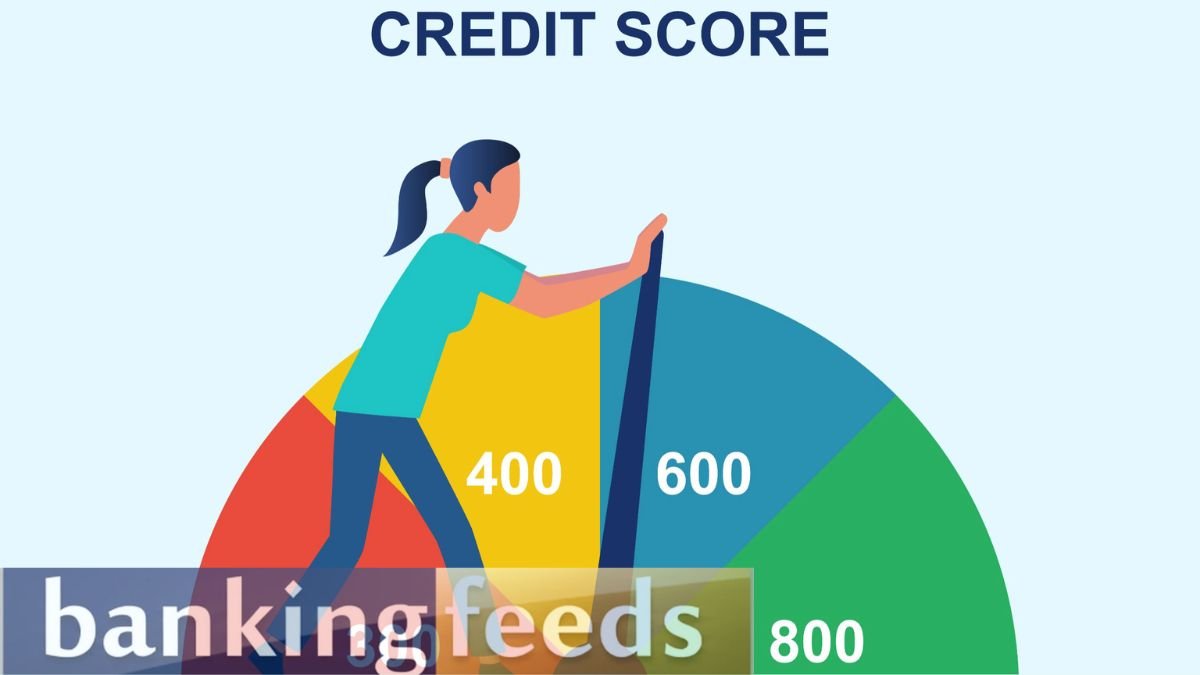
Credit score refers to a figure that displays credit history and financial habits of an individual. This score is determined by the data provided by credit reports by financial institutions. The credit scores normally lie between 300 and 850. The scores that are higher mean that the lenders are at a lesser risk whereas the ones that are lower indicate that the lenders have a higher risk of default. Credit bureaus gather financial information as loan advances, credit card usage and outstanding balances. They employ this data to come up with credit scores which lenders rely on when appraising loan applications.
Payment History
The payment history is among the most significant influencing factors of credit scores. Meeting bills and instalments of loans in good time will create a good credit history. Late payments and missed payments are credit-damaging and take several years before they are removed off credit reports.
Credit Utilization
The use of credit is the percentage use of the available credit. The high credit use can be an indicator of financial stress and it can lower credit scores. Limited credit use indicates a responsible credit use.
Length of Credit History
The duration of the time you held credit accounts also impacts on your credit score. The longer the credit history the more the lenders get to know on financial behaviour. The older credit accounts can be closed and this can reduce credit history and affect credit scores.
Types of Credit Accounts
A combination of credit products, including credit cards, personal loans or mortgages may help positively with credit scores. A credit profile that is diversified shows the capability to cover various kinds of financial liabilities.
New Credit Applications
Applying several credit cards in a short term will actually lower credit scores in the short run. Repeated credit checks can be an indication of poor finances to lenders. By handling credit applications, one can have a stable credit profile.
The Influence of Credit Scores on the Approval of Loans
The eligibility to loan is one of the most crucial functions of credit scores. Lenders and banks use credit scores in screening loan applications. The ones with high credit scores have higher chances of getting loan approvals due to their lesser financial risk. Such borrowers have shown responsible spending and good repayment record. Conversely, the persons whose credit score is low might not secure loans at all. Lenders can turn down the applications or request further securities. Having a good credit rating would enhance the likelihood of obtaining financial products including personal loans, auto loans, and home mortgages.
Impact on Interest Rates
Interest rates charged on loans are also dependent on credit ratings. Loan borrowers who have good credit score tend to be charged with low interest rates as the lenders are not worried about them being risky. The reduced interest rates make the whole cost of borrowing cheaper. This will over time save the borrowers a lot of money. On the contrary, those that have poor credit scores can be charged with a higher interest rate. This risk is higher and therefore lenders charge higher rates to cover the risk.
Housing Opportunities and Credit Scores
Credit ratings can also influence mortgage. Before landlords accept rental applications, most of them consider credit reports. A high credit score shows financial stability and chances of finding rental houses are high. Other landlords can turn away the applicants that have poor credit histories. Besides, the credit scores also determine the loan approvals, in case of buying a property.
The Question of How to Improve Your Credit Score.
To increase credit scores, one needs financial discipline. There are a number of measures that can contribute to the improvement of credit profiles among people.
Pay Bills on Time
One of the best methods of increasing credit scores is paying them on time. Automatic payments or reminders can be used to ensure that there is a good payment history.
Reduce Outstanding Debt
Reduction of the current debt balances increases the credit utilization ratios. This is capable of positively affecting credit scores in the long run.
Monitor Credit Reports
Periodically checking credit reports will enable detection of mistakes or fraud. Fixing errors would enhance credit scores.
Restrict New Credit Authorization
Only apply to the credit when in need will go a long way in avoiding unnecessary credit inquiries that are likely to reduce credit scores.
Maintain Long-Term Accounts
Having such old credit accounts will ensure that they have a long history in their credit, which will be positively reflected in the credit scores.
Long-term Effect of Credit Scores
The credit score determines most financial transactions in the long term. As a result of strong credit profile, people have access to better financial opportunities such as reduced loan cost and financial flexibility.
High credit score individuals tend to have access to superior financial services like the rewards credit cards and higher loan limit. On the other hand, low credit scores may restrict oneself in terms of finance and raise the cost of borrowing. Credit scoring hence is significant in long-term financial prosperity.
Conclusion
The credit score has a great impact on financial life. They affect loans, interest rates, houses and the overall financial security. Knowledge of credit scores can assist people to make other decisions that are smarter in terms of money. Individuals can build the credit scores by having responsible financial habits which include making the bills on time and keeping the debt in check, which will boost the scores over time. Good credit score does not only enhance financial opportunities but also leads to financial security in the long run.