
The way Neobank’s are competing against traditional banks
Introduction
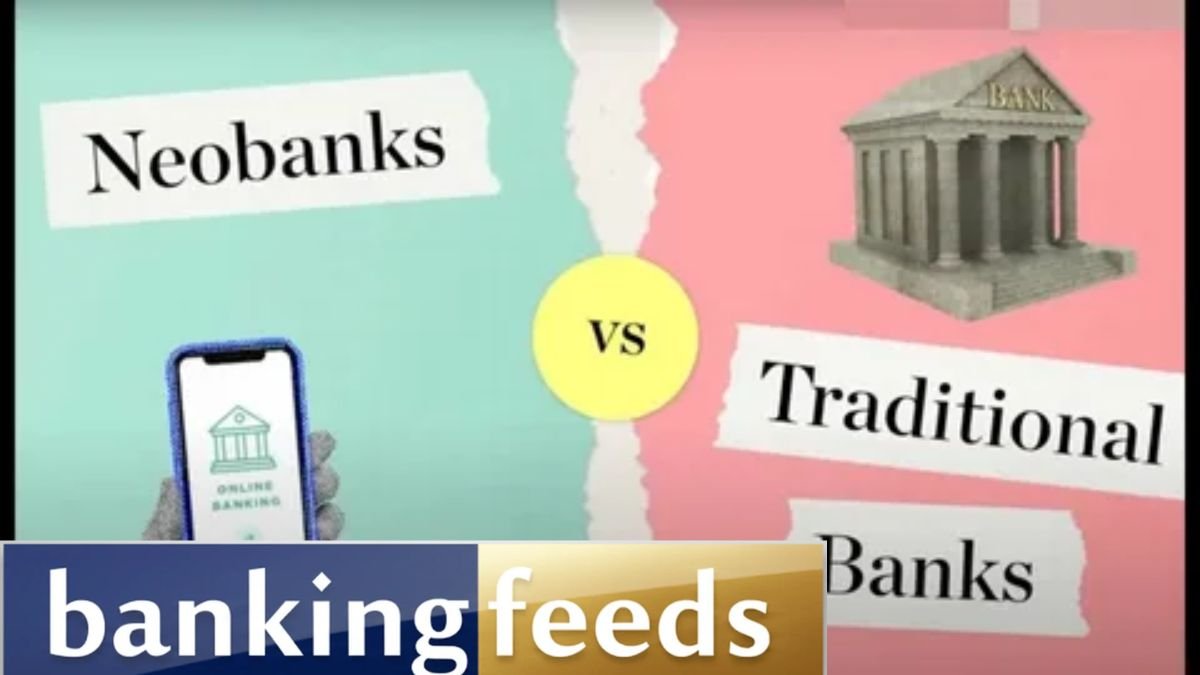
The banking industry in the world has undergone a major transformation over the past few years primarily because of the development of the technology and emergence of the digital financial services. Among the most significant contemporary changes in the banking sector, the neobanks deserve to be mentioned. Neobanks are completely digital banks that do not have physical branches and offer financial services with the help of mobile applications and online interfaces. In contrast to the old-fashioned banks, which are based on physical infrastructure and systems of long-time establishment, neobanks are oriented on digital innovation and convenience to the customer. The latter modern financial institutions are rapidly becoming more popular particularly with younger customers and those who are more tech-savvy. This is why neobanks are slowly competing with the old banks and having quicker services, cheaper charges, and easier to use financial services.
What Is Digital Banking and How It Is Reforming Customary Banks
What Are Neobanks?
Neobanks are financial institutions that offer exclusively mobile applications or online banking services. They do not have physical bank branches in operation and this gives them the opportunity to cut down on operational costs and concentrate on provision of efficient digital services. A large number of neobanks collaborate with licensed financial institutions and offer regulated banking services including saving accounts, payments, and debit cards. Such collaborations guarantee customers with the same level of protection and security like what they would have with the traditional banks Simple, transparent, and modern financial products have seen popular neobanks in the world accumulate millions of users.
Reduced Charges and open pricing
Lower fees are considered to be one of the largest perks offered by neobanks. Conventional banks also come with a number of fees such as maintenance of the account, ATM fees and transaction fees. These charges may be accumulated and become expensive to the clients. Neobanks, in their turn, tend to offer low-priced or free accounts. They need not use network of high-priced branches and therefore can cut on operational costs significantly.
Online Comfort and Availability
The other important factor that enables the neobanks to compete with the traditional banks is convenience. There is an option of customers opening accounts, transferring money, and managing finances without leaving their homes using mobile applications or other online solutions. Customers are used to frequenting a bank branch to offer some services, which is time-consuming in traditional banks. By offering entirely digital services 24/7, neobanks do not need this feature.
Innovative Financial Tools
Another way in which neobanks compete with traditional banks is through the provision of highly developed financial management tools. Most digital banking websites have features that enable users to organize their spending, set savings goals, and budgets in a better manner Such tools give the insights into the spending habits, and customers make better financial decisions. As an illustration, users can be notified when one is spending beyond his or her budget or performing transactions that are out of the ordinary. There are also some neobanks, which provide automated savings programs, i.e. the small sums of money are transferred to savings accounts automatically depending on the preferences of the user. Such new tools simplify and streamline financial management.
Quicker Accounts Establishment and Services
The conventional banking system may take a lot of paperwork and several procedures to open a new account. This may take days before the account fully becomes operational. Neobanks make this process less complicated by providing fast digital onboarding. Customers are able to open accounts and verify themselves through mobile applications just a few minutes after uploading identification documentation. Moreover, e-banking products and services like money transfer, payments and account management are typically instantaneously processed.
One: Good Emphasis on Customer Experience
Financial industry has made customer experience a key priority. Neobanks are overly interested in developing convenient apps by having easy interfaces and simple features. Neobank mobile apps can be easier to use than traditional banking apps. Vivid dashboards, real-time alerts, and simple access to financial applications make the users operate their accounts better.
Connection with Online Payments
One more significant strength of neobanks is that they are combined with contemporary digital payment systems. There are numerous mobile wallets, contactless payments, and online payments supported by many neobanks. This integration will enable the customers to do safe transactions online and in physical stores with their smartphones. Online payment platforms are gaining momentum across the globe, and neobanks are in a position to serve this move.
The Problems Neobanks face
Although neobanks actively evolve, they have some issues as well in terms of competition with traditional banks. Customer trust is one of the key challenges. Conventional banks might possess decades or even centuries long reputations and brands. A large number of customers are still using the existing financial institutions since they are more comfortable with the familiar banking brands. Establishing trust is a long process, and neobanks have to prove their reliability and high level of security constantly. There are also challenges of regulatory requirements. In most countries, banking regulations are severe, and neobanks should be able to maintain the observance of financial laws and data protection regulations.
Responses of Traditional Banks
The emergence of neobanks is not being overlooked by traditional banks. Most of the already existing financial institutions are embracing the digitalization by enhancing their online services and mobile banking applications. Moreover, the conventional banks are investing in artificial intelligence, automation and the digital payment systems in order to improve customer experiences and stay competitive in the changing financial industry.
Digital Future of Banking
The rivalry between traditional and neobanks will probably persist due to the development of technology. There is a tendency to develop digital banking services that will further provide more sophisticated financial services and individualized services. The technology of artificial intelligence, open banking, and blockchain can continue to revolutionize the financial sector. The innovations might enhance financial transparency, security and efficiency. The combination of both banking models may also be beneficial to the customers in the future. The traditional banks can remain to offer stability and trust whereas the neobanks are considered more dedicated to innovation and convenience that is applicable online.
Conclusion
Neobanks have brought a lot of innovation to the banking sector through providing digital-focused services, reduced charges, and enhanced customer experiences. Their financial capabilities which offer quick, convenient and technology-based solutions have rendered them a formidable competition to the traditional banks. Although conventional banks have retained their edge in reputation and established infrastructure, they are more accommodating to the online age. With the two banking models constantly on the change, customers will enjoy more efficient, accessible and easy to use financial services.