
What Is KYC and Why Banks Need It
Introduction
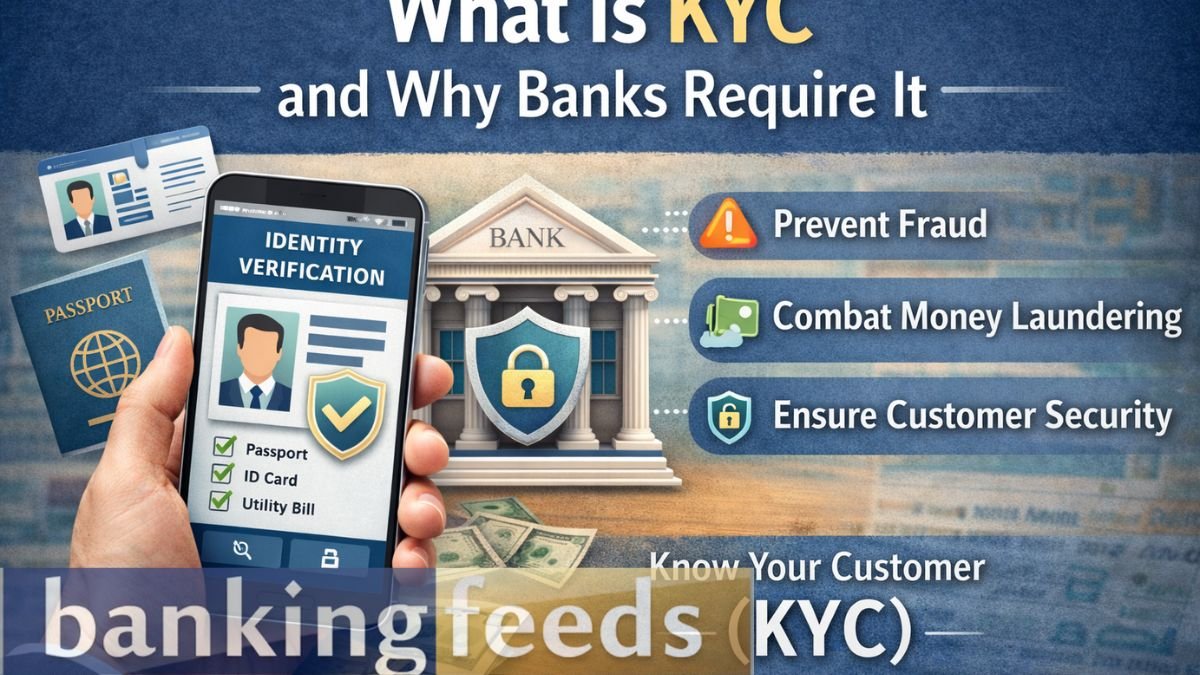
Banks usually demand identification of their customers when opening an account or using the financial services. This is what is referred to as KYC (Know Your Customer). KYC refers to a banking process of establishing the identity of a customer by banks and other financial institutions. Banks apply KYC to make sure that persons who utilize their services are real and not engaged in unlawful banking operations. It is significant in the prevention of financial crimes such as fraud, money laundering, etc. The concept of KYC and the reason why banks ought to have it can make customer access the banking process with ease and comprehend the relevance of the financial security.
Introduction to Fintech and the Revolution of the Financial Industry
What Is KYC?
Know Your Customer, also known as KYC, is a banking procedure that banks and other financial institutions employ to establish the identity of a potential financial client, after which they grant their financial services. In the KYC process, banks require personal information and official documents to prove the identity and address of a customer. These papers assist banks in making sure that clients are real and the use of financial services is not illegal. Financial regulations in most countries have KYC processes. Banks are required to adhere to these guidelines in order to act about anti-money laundering laws and financial security regulations.
- Why Banks Require KYC
- KYC is important to banks in a number of reasons.
Preventing Financial Fraud
KYC assists banks to ensure that the customers are who they say they are. Banks can deny these chances of identity theft and fraud accounts by verifying identities. False identities are another common strategy by the fraudsters who seek to open bank accounts. Such activities are discouraged by the use of KYC procedures.
Combating Money Laundering
Money laundering is the concealment of sources of the illegal money. The criminals can attempt to transfer illegal money using financial institutions. The KYC rules mandate banks to perform customer identification and monitor the financial transactions. This assists to identify suspicious activities and illegal transfer of funds.
Securing Financial Security
Banking institutions need to defend the banking system integrity. The KYC processes are used to make sure that only true customers apply their banking services. It helps the banks to minimize risks associated with financial crimes and preserve trust in the financial system by checking the identities of customers.
Documents Required for KYC
Banks normally require particular documents to complete the process of KYC which checks identity and address.
- The most frequent KYC documentation consists of:
- Identification cards issued by the government.
- Nations Passports or identity documents.
- Driver’s licenses
- Utility bills or documents of verification of addresses.
Bio or photo identification
The specifications might also change according to the country and the kind of financial service utilized.
Types of KYC Verification
The various categories of KYC verification applied by banks are based on the type of security that is needed.
Physical KYC
Physical KYC involves the customers going to a bank physical branch and presenting identification documents to the bank. Bank officials check the documents and approve the identity of the customer. This is a highly effective way of identity verification, but can be time-consuming.
Digital or e-KYC
Digital KYC enables customers to do identity verification online. The customer is able to post documents using secure banking applications or websites. Biometric verification, video identification, or digital identity system is applied by some banks to verify the identity of customers. The popularity of digital KYC has increased as it makes account opening easier and the processing time less.
How KYC Protects Customers
KYC procedures are not only beneficial to the bank, but also to customers. Banks minimize chances of fraud and unauthorized financial operations by confirming identities. KYC also assists in the process of making sure that the financial institutions adhere to high security standards. The customers enjoy safer banking conditions in which the financial crimes are checked and avoided. By banks checking the identity of customers, they develop a safe system in which a financial transaction becomes more reliable.
Challenges of KYC Processes
Even though KYC procedures are critical in the security of money, they are at times problematic to customers and banks.
Time-Consuming Verification
The common KYC procedures can involve walking to bank branches and verifying documents manually. This has the ability to hold up opening of accounts.
Privacy Concerns
There is also the concern that some of the customers might be afraid of providing personal documents to financial institutions. The banks need to secure effective policies on data protection in an effort to guard customer information.
Compliance Costs
Banking institutions should invest in technology and personnel to conduct KYC checking and remain within the scope of regulations. Irrespective of such difficulties, KYC is an important element of financial security.
The Future of Digital Banking KYC
Due to the increasing digitization of banking, KYC is changing following emerging technologies. Identity verification is being enhanced with the aid of artificial intelligence and biometric verification.
Numerous financial institutions are incorporating automated verification devices to check the documents and identify the fraudulent personalities within a short period of time.In the future, blockchain technology can be employed in order to make sure that a secure system of digital identities has been implemented and this implies that clients can be capable of verifying their identity with ease without posing any security risk to them across different financial systems. Such innovations will probably expedite, enhance the security of, and make the process of KYC more convenient to the customers.
Conclusion
KYC, or Know Your Customer, is a very important procedure that allows banks to identify the identity of the customer and avoid financial crimes. This is because banks protect the customers and the financial system against fraud and other illegal acts by gathering the identification documents and tracking transactions. Though the KYC processes can be labelled at times as involving further processes to verify, it is essential in ensuring secure and trusted financial services. Modern technologies will benefit the enhancement of KYC procedures and ensure that the processes of financial services are safer and more efficient as the digital banking continues to grow.