
What is Open Banking? How it Works and Why It is Important
Introduction
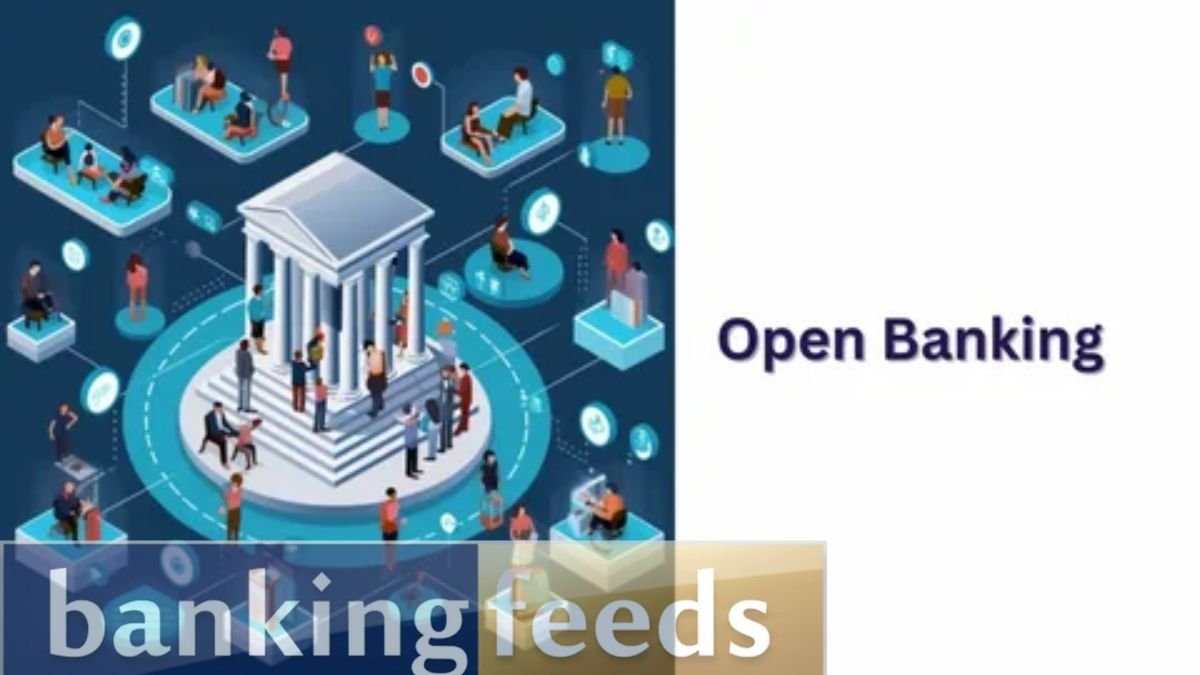
Technological advancement and the digital services have transformed the financial industry at a high rate. Open banking is one of the most significant inventions in the contemporary finance. This principle is changing the customer-bank-financial technology interaction model. Open banking promotes the sharing of client information (data) with trusted third-party providers by financial institutions by digital means. Previously, the majority of financial data were controlled by banks and access to them was restricted. The customers were only able to utilize the services provided by their bank. Consequently, users have access to superior financial instruments, superior payment platforms and customized financial services.
The way Neobank’s are competing against traditional banks
What Is Open Banking?
Open banking refers to the system in which banks and other financial institutions disclose the customer financial information of their customers through digital access to third-party service providers. This sharing is only done with the consent of customers who are giving the permission to have their data accessed. The system is based on the technology known as Application Programming Interfaces (APIs). APIs enable other financial platforms and applications to interact with one another safely. This enables the application to give customized advice on budget planning and finances.
How Open Banking Works
Open banking involves three actors, which include banks, third-party providers and customers. The customer decides to use a financial service or app that is open banking-compatible, and the process starts. To begin with, the customer chooses what financial service he or she would like to utilize, which could be a budgeting app or a payment platform. The application further asks the customer to allow access to some financial details in their bank account. The customer will then give authorization to the connection by signing into their bank account and granting the app access to particular data.
Upon receiving the permission, the bank dispatches the requested information to the third-party provider through secure APIs. This information is then used by the third-party service to offer the financial services like expense tracking, financial analysis or payment processing. In the process, security controls are put in place so that financial information that is sensitive is not compromised.
Open Banking Advantages to Consumers
Open banking has a number of significant benefits to the consumers. Among the greatest benefits, there is the increased financial transparency. Customers can also use the application to connect more financial accounts with each other, which will enable them to view their entire financial portrait in one location. Availability of superior financial tools is another significant advantage. A large number of financial applications utilize open banking data to assist their users in creating budgets, monitoring their spending habits, and saving targets. They are tools that simplify and streamline the process of financial management. Competition in the financial industry also accelerates with open banking.
New companies can come up with new financial products and services since the third-party provider will be able to access banking data with consent. This rivalry will help banks and other financial technologies to develop their services and lower prices. This usually, leaves the consumer with better financial products, enhanced technology and more convenient banking opportunities.
Business and Financial Institutions Advantages
There are also benefits of open banking to the business and financial institutions. Open banking technology can help the companies in enhancing payment processing and automating the accounting systems as well as verifying financial information in a more effective way .To illustrate, open banking systems allow business to verify customer payments in real-time which minimizes delays and enhances management of the cash flow. Businesses are also able to incorporate financial services into their digital platforms with the help of this technology. Another way in which open banking can assist banks is through cooperation with fintech companies. Banks do not have to compete with other companies that produce new financial technology; they can collaborate with them to establish new financial services. Such collaborations enable financial institutions to be competitive and grow their digital abilities.
Security and Privacy of Open Banking
Open banking has an important security factor since it implies sharing financial information between different systems. Stern security rules and policies are employed to guarantee safety.
The data is secured by most open banking systems with the help of encryption technologies and secure authentication procedures. The customers must also expressly consent to the transfer of any financial information to third-party providers. This has seen financial regulators in most areas institute stringent rules to safeguard customers. As one example, current laws and regulations mandate financial service providers and banks to have robust security measures and data protection policies. These measures ensure that companies do not share customer information with unscrupulous vendors and protect it from unauthorized access.
Challenges of Open Banking
Whilst open banking has numerous benefits, it also has some challenges. Among the primary issues is privacy of data. There are customers who are concerned about providing financial information to various service providers. The other issue is the nature of the technical complexity in implementing the open banking systems. Banks have to invest in hi-tech systems of infrastructure and keep safe API systems. Moreover, not all the traditional banks might be eager to embrace open banking due to the augmentation of rivalry with fintech firms and online platforms. Nevertheless, it is not these issues that have caused a reduction in the use of open banking in most countries worldwide.
The Future of Open Banking
Open banking will keep growing with the development of digital financial services. Many experts believe that open banking will eventually lead to a broader concept called open finance, where customers can connect different financial products such as insurance, investments, and loans within one digital platform. Financial services can also have a greater role played by artificial intelligence and data analytics. Such technologies may consume open banking data to offer personalised financial guidance and intelligent financial management solutions. As financial institutions adopt open banking systems, the financial industry becomes more innovative, competitive, and customer-focused.
Conclusion
The world of open banking is changing the financial sector as it enables a safe exchange of information between banks and third-party providers. Open banking allows customers to access improved financial services and tools, transparency, and enhanced innovative financial services. Another benefit of the technology is the promoting of cooperation between banks and fintech firms, which will provide a more competitive and dynamic financial environment.